
Leysera
Leysera
Leysera is a genus of flowering plants belonging to the Asteraceae family. These plants are primarily native to Southern Africa, with some species naturally occurring in parts of the Mediterranean region, demonstrating a wide adaptability to diverse climates.
What the section contains

Leysera
The plant is categorized as a xerophyte, meaning it is exceptionally well-adapted to arid environments. It thrives in locations with full sun exposure and requires a stable, warm climate to complete its growth cycle effectively without stunted development.
Regarding soil conditions, Leysera demands superior drainage properties. Sandy, gritty, or rocky soils are ideal, as they allow water to pass through quickly, preventing the root system from becoming waterlogged, which is the primary cause of plant failure in this genus.
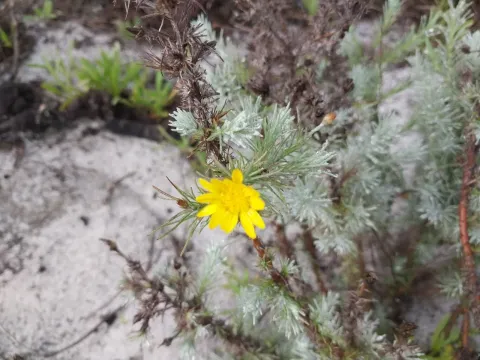
Botanically, Leysera features narrow leaves often covered in fine hairs or tomentum, which acts as a protective barrier against extreme heat and moisture loss. The inflorescences are typical daisy-like capitula, usually featuring vibrant yellow florets that attract pollinators.
In terms of agricultural and horticultural use, the plant is valued for its low maintenance requirements. It is an excellent choice for xeriscaping or dry gardening, where irrigation is limited, and the goal is to maintain greenery in harsh, sun-drenched environments.
The most significant threats to Leysera include fungal pathogens caused by high humidity and poorly drained soil. Phytophthora and various root rots pose a constant risk if the environmental moisture levels exceed the plant's tolerance threshold.
Pests such as aphids and spider mites are common stressors, particularly in sheltered or poorly ventilated areas. Maintaining good spacing between individual plants is a key cultural practice to ensure adequate airflow and reduce the likelihood of pest outbreaks.