
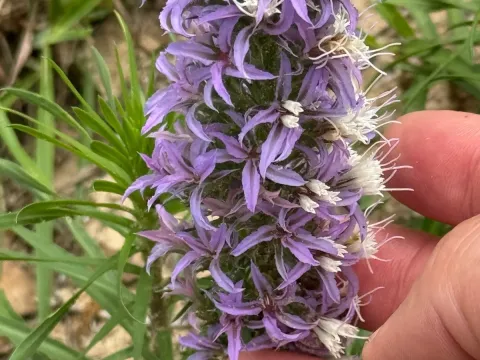
Liatris
Liatris
Liatris is a genus of perennial flowering plants belonging to the Asteraceae family. Known for their unique spike-like flower heads, these plants are primarily propagated via the division of corms or by sowing seeds in prepared nursery beds.
What the section contains


Liatris
For seed propagation, stratification is often necessary to break dormancy. Seeds should be sown in spring once the soil has warmed up, or started indoors in late winter under controlled temperature conditions to ensure strong seedling development.
When planting corms, they should be placed at a depth of approximately 8–10 centimeters. Proper spacing of 20–30 centimeters between plants is essential to prevent overcrowding and promote good air circulation, which reduces fungal risks.
Native to North American prairies, Liatris is highly adaptable to various sunny environments. It performs best when established in areas that receive at least 6–8 hours of direct sunlight daily to encourage vigorous blooming.
Transplanting seedlings into the garden should be executed carefully to minimize root disturbance. The optimal time for setting out plants is during the mild temperatures of late spring or early autumn.
The success of Liatris cultivation depends heavily on soil drainage. The plant is extremely sensitive to waterlogged conditions, which can lead to rapid decay of the root system, particularly during the dormant winter months.
Loamy, sandy, or well-amended soil with a neutral pH is ideal for optimal growth. Incorporating organic matter, such as compost, improves soil fertility and moisture retention without compromising drainage.
Liatris is renowned for its drought tolerance once established. However, during the active flowering season, supplementary watering is recommended to sustain the length and quality of the flower spikes.
Nutrient requirements are moderate. A balanced NPK fertilizer applied in early spring and again after the first flush of flowers will provide sufficient energy for repeat blooming cycles.
Mulching is a standard practice to maintain soil temperature and moisture. In cold climates, a light organic mulch layer provides necessary protection against deep freezes, especially for newly planted corms.
The most common pests affecting Liatris are small mammals like voles and mice, which feed on the nutritious corms. Installing wire mesh guards at the time of planting is a standard preventative measure in affected areas.
Fungal issues, such as root rot and leaf spot, are prevalent in poorly drained soils or areas with excessive humidity. Maintaining clean, weed-free garden beds helps to mitigate these infection risks.
Slugs and snails can cause significant damage to young shoots in early spring. Regular monitoring and the use of physical barriers or organic baits are effective strategies for managing these gastropod populations.
Proper plant spacing is vital for integrated pest management. Dense plantings often trap humidity and create a microclimate that encourages the rapid spread of pathogens among the Liatris stems.
In cases of severe infestation or disease, prompt removal of affected plant parts is recommended. Sanitizing garden tools between uses helps prevent the mechanical transfer of fungi across the field.
Liatris is a highly valued commercial crop in the cut flower industry. Its distinct vertical form and longevity make it a preferred choice for professional florists and wedding designers.
Harvesting for fresh bouquets should take place when the top quarter to half of the individual florets on the spike have opened. This stage ensures the longest vase life for the consumer.
For dried flower production, stalks are harvested at peak bloom. They should be hung upside down in a dark, dry, and well-ventilated space to retain their vibrant color and structural integrity.
If harvesting corms for propagation, the task is performed in autumn once the foliage has turned brown and the nutrients have retreated into the root system for the winter.
After lifting, corms should be cleaned of excess soil, cured in a dry place for several days, and stored in peat moss or wood shavings at a cool temperature of 2–5 degrees Celsius until planting.