
Liatris mucronata
Liatris mucronata
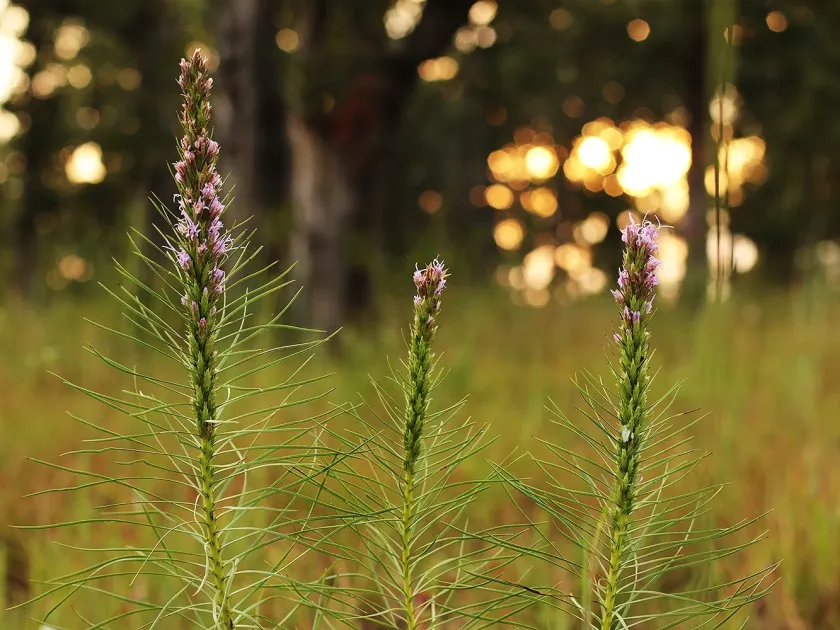
Description
Sowing dates
Sowing of Liatris mucronata seeds is ideally performed in late autumn, directly into open soil, to allow for the necessary natural stratification over the winter period.
For spring sowing, seeds must undergo cold stratification at temperatures ranging from +2 to +5 degrees Celsius for approximately two months to achieve uniform germination.
The seeds should be covered with only a thin layer of soil, no more than 1–2 centimeters, because they require light exposure to trigger the germination process.
When starting seedlings indoors, use a well-draining, lightweight substrate enriched with sand to prevent damp-off diseases during the early stages of plant development.
Transplanting to the permanent field site should only occur after all risk of frost has passed and the soil has warmed up sufficiently to support active root growth.
Growing requirements
Liatris mucronata is a perennial herbaceous plant belonging to the Asteraceae family, recognized for its resilience and adaptability to various environmental conditions.
The crop thrives in sunny locations with well-drained, porous soils, as the plant is highly sensitive to waterlogging, which often leads to root rot.
While it can tolerate poor soil types, applying a balanced fertilizer during the growing season will significantly increase flower production and stem strength.
A soil pH range from slightly acidic to neutral is considered optimal for the effective uptake of essential nutrients and overall plant health.
Its drought-tolerant nature makes this crop an excellent choice for regions with erratic rainfall patterns, as it maintains its structural integrity without constant irrigation.
Main diseases and pests
Root rot is the most common threat to Liatris mucronata, usually caused by poorly drained soils or excessive rainfall leading to stagnant moisture in the root zone.
Powdery mildew may develop in areas with high humidity and poor air circulation, necessitating the use of fungicides to protect the plant's decorative foliage.
Soil-dwelling pests like mole crickets and cutworms can damage the corms, requiring proactive soil monitoring and integrated pest management strategies.
Slugs and snails often feed on tender young leaves in the spring, making protective mulching or the use of physical barriers an essential part of the care routine.
Maintaining proper spacing between plants is crucial to ensure adequate airflow, which is a primary method for reducing the risk of fungal outbreaks in the field.
Harvesting
For commercial cut flower production, harvest the stems when the first florets in the spike begin to open, ensuring a longer vase life for the final product.
Harvesting should be completed in the early morning hours, which helps the plant retain water and prevents premature wilting during the post-harvest period.
To produce dried flowers, hang the harvested stems in small bunches in a dry, dark, and well-ventilated area to preserve the color of the inflorescences.
If harvesting for bulb propagation, wait until the foliage has naturally turned yellow and died back in the autumn before carefully digging up the corms.
Storage of the harvested corms requires a cool, dry environment to maintain dormancy and prevent the development of mold or premature sprouting before the next season.