
Liatris scariosa
Liatris scariosa
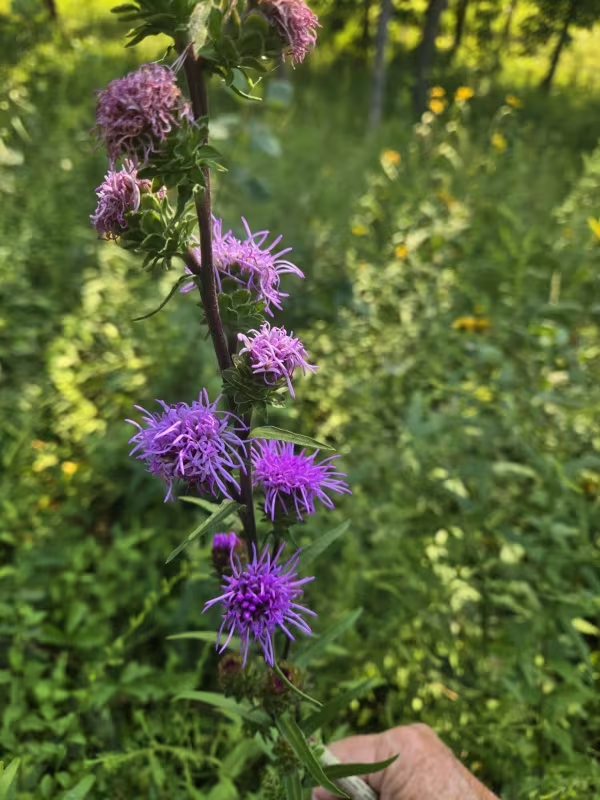
Description
Sowing dates
Sowing Liatris scariosa seeds in open ground is best done in late autumn to allow for natural cold stratification during the winter. Spring sowing is possible after pre-chilling seeds in a refrigerator.
When starting from seeds indoors, sowing should occur in late winter or early spring using well-draining seed-starting mix. The seedlings require bright light and moderate moisture to establish strong root systems.
Vegetative propagation via root division is highly effective. The corms should be divided in early spring or autumn while the plant is in a dormant state to ensure rapid regrowth.
Transplanting into the field should be handled after the risk of frost has passed. Planting density should allow for proper airflow to prevent humidity buildup around the foliage.
Establishment of new plants requires consistent care during the first season until the root system has fully adapted to the soil conditions of the site.
Growing requirements
Liatris scariosa is a herbaceous perennial belonging to the Asteraceae family. It is native to the diverse landscapes of North America, where it thrives in open meadows.
The plant requires full sun exposure to produce the most vibrant and upright flower spikes. Shady conditions will significantly decrease the plant's vigor and ornamental value.
Soil requirements focus on excellent drainage; while the plant is tolerant of various soil types, it must not be planted in heavy, waterlogged clay that causes winter rotting.
Climate adaptability is a strength of this species, as it is quite hardy. However, excessive winter moisture combined with cold temperatures can be detrimental, necessitating good site drainage.
Watering management is key; the plant is relatively drought-tolerant once established but needs steady moisture during the active vegetative growth phase in early summer.
Yield
The primary agricultural utility of Liatris scariosa lies in the cut-flower market and ornamental landscaping industry. It is highly valued for its vertical impact and longevity.
In commercial flower production, Liatris scariosa is managed to produce uniform, high-quality spikes. It is an excellent choice for florists due to its long vase life and durability.
Productivity is maximized through optimal spacing and adequate nutrient management. High-yield systems often involve raised beds to ensure ideal drainage conditions for the corms.
The flowering cycle begins in mid-to-late summer, providing a consistent supply for seasonal floral arrangements when many other perennials have already finished blooming.
The plant is also highly beneficial for ecosystem services, as its nectar-rich flowers attract a wide range of pollinators and beneficial insects to the farming operation.
Main diseases and pests
The most significant threats to Liatris scariosa are soil-borne fungal pathogens such as crown and root rot, which typically thrive in poorly drained, soggy soil environments.
Integrated pest management strategies should emphasize sanitation and the use of well-draining beds to reduce the pressure from fungal diseases throughout the growing season.
Rodents such as voles and mice can pose a severe threat by feeding on the starchy corms during the winter months, often leading to significant stand loss if left unmanaged.
Foliar pests and occasional insect infestations may occur. Early detection through regular field scouting allows for the targeted application of control measures when necessary.
- Ensuring soil drainage to prevent fungal rot
- Protecting corms from rodent damage
- Regular scouting for insect pests