
Rough blazing star
Liatris aspera
Description
Sowing dates
Seeds of Liatris aspera require a cold-moist stratification period of approximately 60 days to break dormancy. This process is critical for achieving high germination rates in both controlled and outdoor settings.
Sowing in open beds should occur in early spring when the soil temperature consistently reaches 10-15 degrees Celsius. Seeds should be surface-sown or covered with a very thin layer of fine soil as they require light to germinate.
When starting seeds indoors, use well-draining seed-starting mix and maintain consistent moisture. Seedlings typically develop slowly during their first season, focusing primarily on building a robust root system.
Vegetative propagation via tuber division is a reliable method for multiplying established clumps. Divide the rootstock during the late dormant season, ensuring each section has healthy buds for future growth.
When transplanting divisions, maintain a spacing of 30-45 cm. This ensures adequate airflow around the base of the plant, which is essential for managing moisture levels and preventing soil-borne pathogens.
Growing requirements
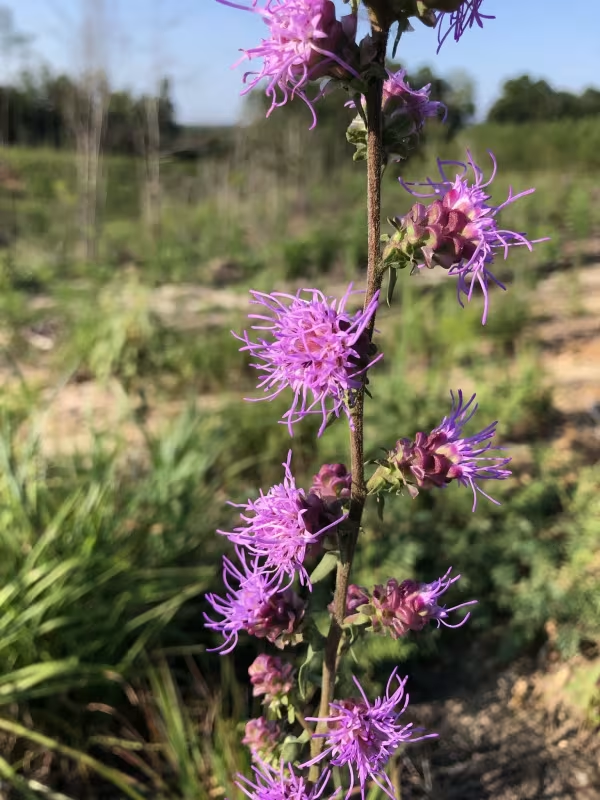
Liatris aspera, commonly known as the rough blazing star, is a perennial flowering plant in the Asteraceae family. It is native to the prairies and open dry woodlands of North America, where it thrives in diverse open habitats.
This species requires well-drained, sandy or gravelly soils to prevent root rot. It is highly intolerant of wet, heavy clay soils, which can lead to fungal infections and rapid plant decline during dormant periods.
The plant performs best in full sun exposure. While it can tolerate light partial shade, excessive shade results in leggy stems and poor flower production, diminishing its overall ornamental value.
Liatris aspera is exceptionally drought-tolerant once established, thanks to its deep root system. It is well-suited for xeriscaping projects and areas with limited irrigation capabilities during the summer months.
In terms of soil chemistry, it prefers neutral to slightly acidic pH levels. It does not require high levels of soil fertility; in fact, over-fertilization often leads to weakened stems that require staking.
Main diseases and pests
The most significant threat to Liatris aspera is root rot, particularly in poorly drained soils. The disease usually manifests as stunted growth and discoloration of the foliage, eventually leading to plant collapse.
Insect pests such as aphids and flower thrips can damage developing buds. Regular inspection and the use of insecticidal soaps are typically sufficient to manage infestations without relying on harsh chemicals.
In some regions, small mammals and rodents may dig up or feed on the fleshy corms during winter. Using hardware cloth or wire cages around the planting area can prevent damage from foraging animals.
Powdery mildew can occasionally appear in late summer if humidity levels are high and air circulation is restricted. Providing adequate space between plants and avoiding overhead watering helps mitigate this risk.
Monitoring for signs of wilting is vital. If a plant shows sudden signs of collapse despite appropriate moisture levels, check for root-boring insects or fungal pathogens, as immediate removal of affected plant material may be necessary.