
Liatris hybrids
Liatris hybrids
Description
Sowing dates
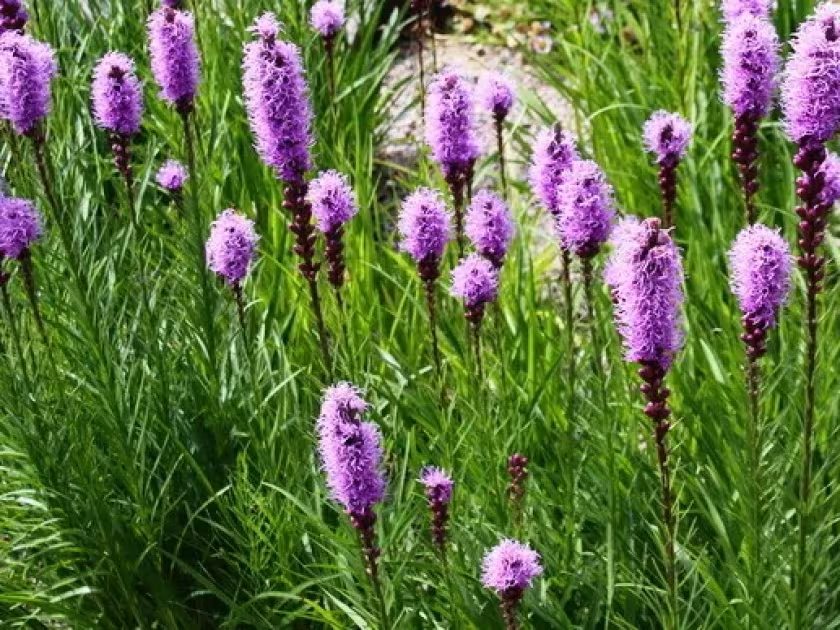
Liatris hybrids are cultivated varieties belonging to the Asteraceae family. These plants are highly valued in horticulture for their unique, bottle-brush-like flower spikes that bloom from the top down.
Propagation is primarily performed vegetatively by dividing the tuberous roots in spring or autumn. This method ensures that the unique traits of the hybrid variety are maintained.
Seed propagation is possible but requires cold stratification for 1 to 2 months. Seeds should be sown in a well-draining medium and kept in a cool, moist environment before germination can occur.
When starting from seed in a greenhouse, plants are usually transplanted into the field once the danger of frost has passed. Early spring is the standard window for such agricultural activities.
For direct seeding in the ground, late autumn is the preferred time. This allows for natural stratification over the winter, with emergence expected in the following spring.
Growing requirements
Liatris hybrids require full sun exposure to thrive. Insufficient light levels often result in weak, floppy flower stems that significantly reduce the plant's ornamental quality.
Soil drainage is the single most important factor in successful cultivation. These plants are extremely susceptible to root rot if they remain in waterlogged conditions for extended periods.
The ideal soil profile is light, sandy, or loamy with a neutral to slightly acidic pH. Heavy clay soils must be amended with organic matter or grit to ensure adequate aeration and drainage.
The plants are generally hardy and can withstand varying climates. While they tolerate some dry periods once established, they benefit from consistent moisture during the initial growing phase.
Fertilization should be handled with caution. Excessive nitrogen application promotes lush foliage at the expense of floral development and can make the plants more susceptible to lodging.
Main diseases and pests
Root rot, particularly caused by Fusarium species, is the most serious threat to Liatris hybrids. It is almost always a consequence of poor soil drainage and excessive moisture.
Voles and other small rodents can occasionally feed on the tuberous roots, causing significant damage to established clumps. Protective measures are necessary in areas with high pest pressure.
Slugs and snails may attack young tender growth in the spring. Implementing mechanical barriers or using organic baits around the base of the plants is effective during this period.
Foliar diseases, including leaf spots, can occur during periods of high humidity. Proper spacing to ensure good air circulation is the best preventative measure against these infections.
Integrated pest management, including regular monitoring and the removal of severely affected plant material, is essential to maintain a healthy and productive floral crop.
Harvesting
For commercial cut flower production, harvest stems when the top one-third of the florets have opened. This stage ensures the longest vase life and maintains the integrity of the spike.
Cut stems should be placed immediately into cool water. Liatris hybrids are known for their exceptional durability, often lasting up to 14 days in professional floral displays.
In landscape maintenance, deadheading spent flower spikes is recommended to redirect the plant's energy into root storage rather than seed production.
The plant should be cut down to the base in late autumn or early winter, once the foliage has naturally withered. This clears the area and prepares the root stock for dormancy.
If harvest is intended for the multiplication of tubers, plants should be carefully excavated after the leaves have turned yellow, cleaned, and stored in a cool, dry place.