
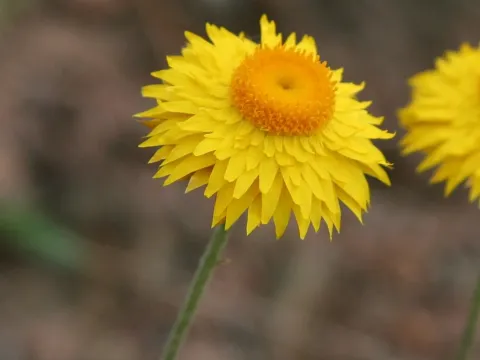
Leucochrysum
Leucochrysum
Leucochrysum belongs to the Asteraceae family and is typically cultivated as an annual crop. In temperate climates, seeds should be sown indoors in late February or March to ensure sufficient growth time before the growing season.
What the section contains

Leucochrysum
The seeds are small and require surface sowing on a well-draining substrate. They should not be covered deeply as light is necessary for successful germination. Keeping the surface consistently moist is crucial during the early stages.
Optimal germination occurs at temperatures around 20°C. Once seedlings appear, providing bright light is essential to prevent etiolation and ensure the development of sturdy, healthy young plants.
Transplanting to the field should take place after the last spring frost. It is recommended to harden off the seedlings for at least a week before planting them into their permanent outdoor location.
Spacing is important for air circulation and disease prevention. Aim for a distance of 20 to 30 centimeters between plants to allow sufficient room for bush development and light penetration.
Native to Australia, Leucochrysum is a sun-loving plant that requires full exposure to direct sunlight throughout the day. Shade leads to weak growth, stem bending, and significantly reduced flowering.
The plant thrives in sandy or well-drained loamy soils. It is highly intolerant of waterlogged conditions, making proper soil drainage a prerequisite for success, especially in regions with heavy rainfall.
Leucochrysum exhibits good drought tolerance once established. Watering should be moderate; it is better to allow the soil to dry out slightly between waterings rather than keeping it constantly wet.
The fertility requirements are modest. Excessive nitrogen fertilization should be avoided as it promotes leafy growth at the expense of floral production and can weaken the stems of the harvested flowers.
Soil pH should ideally be neutral or slightly acidic. In container gardening, use a high-quality peat-based mix supplemented with perlite to ensure the roots remain well-oxygenated.
The primary threats to Leucochrysum are root and crown rot pathogens, which thrive in over-saturated soil. Ensuring excellent drainage is the most effective preventative measure against these diseases.
Powdery mildew may occur if air circulation is poor or if the plants are placed in high-humidity conditions without sufficient ventilation. Thinning out the plantings can significantly reduce this risk.
Pests like aphids and spider mites can become problematic during hot, dry spells. They damage the foliage and can transmit viral infections, weakening the overall vigor of the plant.
Integrated pest management, including regular scouting and the use of botanical soaps or oil-based insecticides, is recommended over the routine use of harsh chemical sprays.
Maintaining a clean garden environment by removing weeds and plant debris helps reduce the population of pests and pathogens, contributing to a healthier crop.
The harvest phase is critical for quality control. Flowers should be harvested in the semi-open stage, before the central discs fully expand, to ensure they remain intact during the drying process.
Stems should be cut early in the day, once all morning dew has evaporated. Harvesting at the correct stage ensures that the colors remain vivid and the flowers retain their optimal shape after drying.
Bundling the stems and hanging them upside down in a dark, well-ventilated room is the standard method for drying. The dark environment prevents the fading of pigments caused by UV radiation.
The drying process usually takes 2 to 3 weeks. Once dried, the flowers are incredibly durable and can maintain their decorative appeal for several years if kept away from excessive moisture.
Leucochrysum is highly valued in the commercial floristry industry for its natural "everlasting" quality, making it an essential component for high-end dried floral designs and interior decorations.