


Reference · Crops
Ragweed
Ambrosia
Ragweed (genus Ambrosia) represents a group of flowering plants belonging to the Asteraceae family. While native to North America, it has become a widespread invasive species across the globe, causing severe issues in both agricultural systems and human health.
5
items
What the section contains
Marketplace
Products in this section · 12


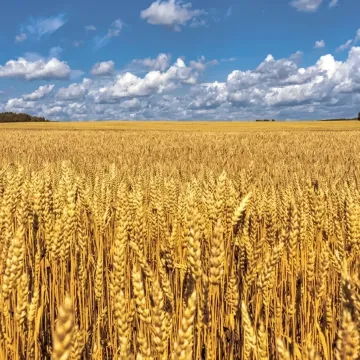


Ragweed
The botanical structure of ragweed features deeply lobed leaves and inconspicuous greenish flowers arranged in spikes. Its root system is exceptionally robust, allowing it to compete aggressively for soil moisture and nutrients with crops like corn, sunflowers, and soybeans.
Climate requirements for ragweed are broad; it thrives in temperate and subtropical regions. It prefers well-drained, fertile soils but shows remarkable resilience, successfully colonizing degraded habitats, roadside ditches, and neglected agricultural land.
Agricultural techniques used to combat ragweed focus on mechanical removal and chemical control. Since ragweed is a prolific seed producer, maintaining clean fields requires constant vigilance and the implementation of effective crop rotation strategies to minimize seed banks.
There are no positive agricultural uses for this plant. Its presence is strictly viewed as an economic liability due to the drastic reduction in yields, competition with crops, and the massive public health burden caused by its highly allergenic wind-borne pollen.
The main threats posed by ragweed are its competitive dominance in crop fields. By shading out seedlings and rapidly depleting water reserves in the soil, it forces farmers to implement expensive herbicide programs to protect their harvest yields.
Pests that target ragweed include the ragweed leaf beetle, which has been studied as a biological control agent. These insects can cause significant defoliation, though their impact is often insufficient to eradicate established populations in commercial fields.
Pathogens affecting ragweed include various fungi, such as powdery mildew or rust, but these rarely cause widespread mortality. The lack of natural predators in invaded regions allows ragweed to spread unchecked, making it a significant invasive management challenge.
Harvest strategies for infested fields must be carefully adjusted. If harvesting equipment passes through heavy patches of ragweed, there is a high risk of spreading seeds to cleaner parts of the farm, requiring thorough machinery sanitation protocols.
Integrated weed management is essential for long-term control. This includes early-season cultivation, the use of competitive cover crops to suppress germination, and the precise application of selective herbicides during the early vegetative stages of the plant.