
Giant ragweed
Ambrosia trifida L.
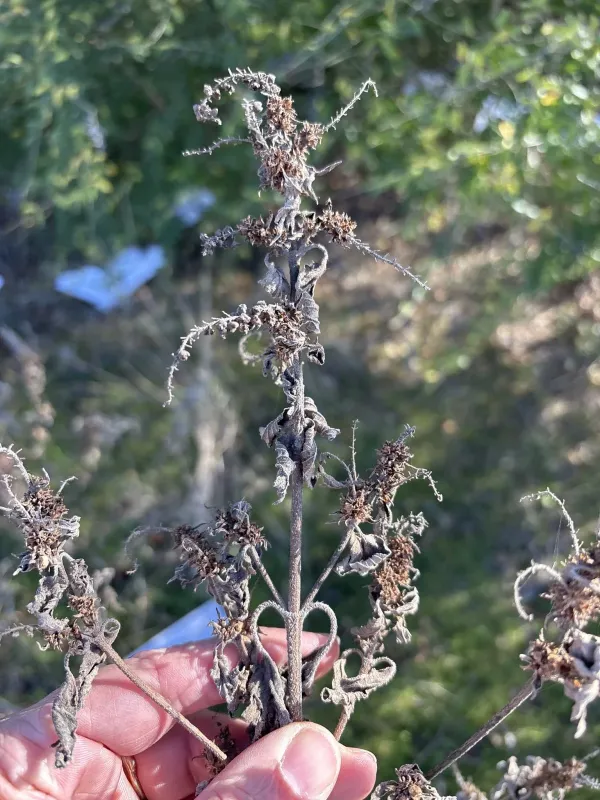
Description
Sowing dates
Giant ragweed is an annual plant that typically germinates in early spring when soil temperatures reach approximately 7 to 10 degrees Celsius.
The primary emergence of seedlings usually occurs in April and May, often interfering with the establishment of early planted row crops.
Seeds are characterized by a long dormancy period, allowing them to remain viable in the soil seed bank for several years before emerging.
Optimal germination conditions are typically met after rainfall events or soil disturbances that bring seeds closer to the surface.
Farmers must monitor fields closely during the early stages of crop development to identify and eliminate early flushes of giant ragweed.
Growing requirements
As a member of the Asteraceae family, Ambrosia trifida thrives in fertile, moist soils and is particularly invasive in riparian zones and fields.
It requires high solar radiation and struggles to establish itself in areas shaded by dense canopy cover of vigorous crops like corn.
The plant has a high water-use efficiency during its rapid growth phase, allowing it to compete aggressively for soil moisture.
Soil texture and pH levels are generally less critical than fertility, as the species is highly adaptable to a wide range of soil types.
Effective agronomic management requires a combination of mechanical control, crop rotation, and timely herbicide applications for successful suppression.
Main diseases and pests
The primary agricultural threat posed by giant ragweed is its exceptional competitive ability, which can significantly reduce grain yield in soybean and corn.
Due to its massive biomass production, it acts as a strong competitor for light, nutrients, and essential water resources during the summer months.
In addition to agricultural damage, the plant produces vast amounts of pollen, which is known to cause severe allergic reactions in the human population.
While the plant is susceptible to certain fungal pathogens, it rarely faces significant pressure from pests, making its control heavily dependent on chemicals.
Infestations often lead to increased production costs and may result in regional regulatory restrictions regarding the movement of contaminated commodities.