
Raoulia
Raoulia hybrids
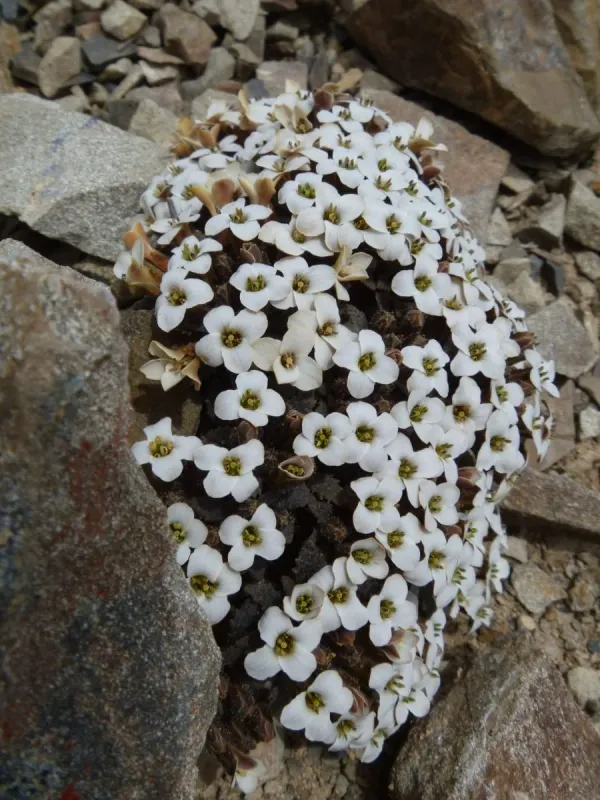
Description
Sowing dates
Propagation of Raoulia is most effectively achieved through vegetative methods, specifically by division or stem cuttings, which helps preserve the distinct traits of the hybrids. The optimal time for these tasks is the spring season, when the plant breaks its winter dormancy and begins active growth.
Sowing Raoulia seeds is a more demanding process due to their extremely small size and irregular germination rates. Seeds should be sown on the surface of a light, sandy substrate in late winter or early spring, and often benefit from a period of cold stratification to improve germination performance.
Maintaining stable temperatures and moderate air humidity is essential for the successful rooting of cuttings. Raoulia is highly sensitive to excessive moisture, so the substrate must be exceptionally well-drained to prevent the young shoots from rotting.
Young plants require careful monitoring for several weeks after being transplanted to their final location. Watering should be regular but performed with extreme caution to ensure that moisture does not accumulate in the crown of the plant, which could trigger fungal infections.
The planting site should be free from competition with more aggressive plant species. Raoulia develops slowly into dense mats, so it is vital to ensure the area remains free of weeds until the plant has fully established and covered the surrounding soil surface.
Growing requirements
Raoulia belongs to the Asteraceae family and is a unique, low-growing perennial that originates from the high-altitude regions of New Zealand. In its natural environment, it thrives on rocky screes, which has defined its specific cultural requirements.
The plant has strict light requirements: it needs maximum exposure to direct sunlight for healthy development. In shaded conditions, the plants quickly lose their compact form, become etiolated, and turn significantly more susceptible to various diseases.
The soil must be lean, mineral-based, and possess excellent drainage characteristics. Rocky, sandy, or gravelly substrates with a neutral to slightly acidic pH are ideal, as they prevent moisture from lingering near the root zone after rainfall or irrigation.
Raoulia prefers a cool, dry climate. The plant struggles with stagnant, humid air during the summer months, which often leads to the center of the mat rotting. Therefore, excellent air circulation is a critical factor for the longevity of the plant.
The cold hardiness of many Raoulia species and hybrids is moderate. In regions with harsh winters and insufficient snow cover, a dry winter shelter is necessary to protect the evergreen foliage from the drying effects of cold winds and temperature fluctuations.
Main diseases and pests
The primary threat to the health of Raoulia is excessive moisture in the soil or air, which encourages the development of various crown and stem rots. To prevent these issues, it is essential to keep water away from the dense foliage mass during watering.
Pests rarely cause critical damage to this plant, but under unfavorable conditions, weakened specimens may be attacked by aphids or spider mites. Regular inspections allow for the early detection of infestations and the prompt application of necessary control measures.
Slugs and snails can pose a danger to young, newly planted specimens by feeding on the tender edges of the mats. The use of barrier pellets or traps is the most effective method of protection during the active growing season of the culture.
If moisture accumulates during the winter period, there is a high risk of mold development, which can spread rapidly across the surface of the dense mat. Providing proper drainage slopes to shed melting snow and water is a vital preventative measure against pathogens.
To support plant immunity, it is recommended to avoid excessive nitrogen fertilizers, as these promote soft, succulent growth that is more prone to damage. A healthy, dense, and firm plant structure is much more resilient to both pathogen attacks and environmental stress.