
Gasteria
Gasteria
Gasteria is a genus of succulent plants belonging to the Asphodelaceae family, native to the arid regions of South Africa. These plants are known for their ability to thrive in rocky environments, often nestled in crevices where they receive indirect sunlight and minimal moisture.
What the section contains
 Gasteria acinacifolia
Gasteria acinacifolia
Gasteria acinacifolia
 Gasteria batesiana
Gasteria batesiana
Gasteria batesiana
 Gasteria bicolor
Gasteria bicolor
Gasteria bicolor
 Gasteria glomerata
Gasteria glomerata
Gasteria glomerata
 Gasteria hybrids
Gasteria hybrids
Gasteria hybrids
 Gasteria maculata
Gasteria maculata
Gasteria maculata
 Gasteria nitida
Gasteria nitida
Gasteria nitida
 Gasteria pillansii
Gasteria pillansii
Gasteria pillansii
 Gasteria pulchra
Gasteria pulchra
Gasteria pulchra
Gasteria
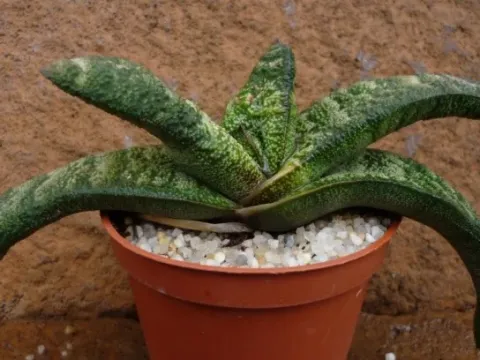
The botanical structure of Gasteria features thick, tongue-shaped leaves organized in a rosette, often adorned with mottled patterns. The inflorescences are distinct, bearing tubular flowers with a stomach-shaped base, which explains the scientific name of the genus.
Cultivation requires bright but indirect lighting, as direct sunlight can cause the leaves to bleach or scorch. In terms of temperature, Gasterias prefer moderate conditions during the growing season and a cooler resting phase during winter months to support physiological health.
Soil requirements are strict, necessitating a well-draining potting mix such as a specialized cactus or succulent substrate. A mixture incorporating grit, coarse sand, and a small amount of organic matter is ideal for ensuring proper aeration and preventing waterlogging.
Irrigation practices must be cautious; the soil should be allowed to dry out completely between waterings. During the winter dormancy period, the frequency of watering should be significantly reduced to match the slower metabolic rate of the plant.
The most common health issues for Gasteria are related to overwatering, which leads to root rot and fungal infections. If a plant shows signs of mushy leaves or stem discoloration, immediate repotting and removal of decayed tissue are required to save the specimen.
Pest threats include common houseplant insects such as mealybugs and spider mites. These pests typically congregate in the leaf axils or on the underside of leaves, and they can be managed effectively using insecticidal soaps or neem oil applications as a preventative measure.