
Gasteria acinacifolia
Gasteria acinacifolia
Description
Growing requirements
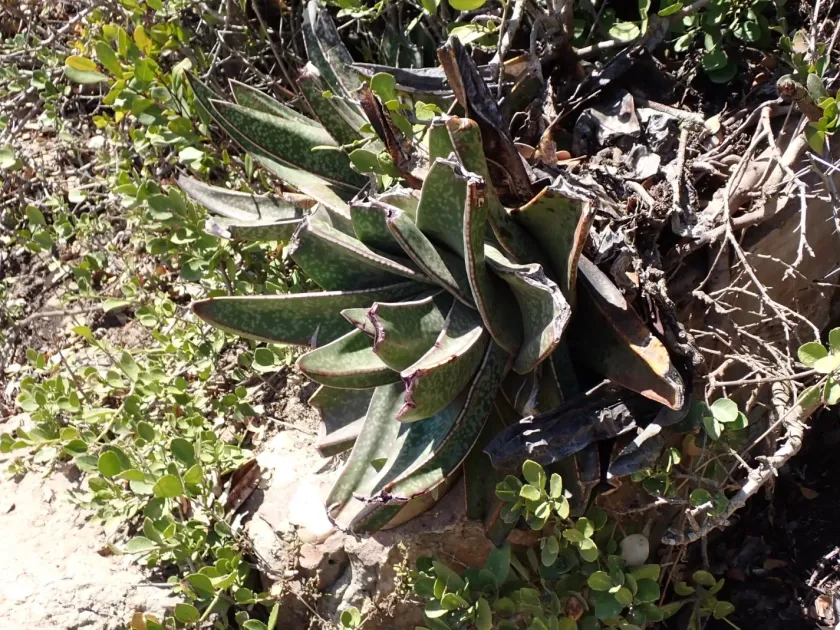
Gasteria acinacifolia is a perennial succulent plant belonging to the Asphodelaceae family. Native to the coastal regions of the Eastern Cape in South Africa, this species is known for its architectural, tongue-shaped, and spotted leaves.
In cultivation, this plant thrives in bright, indirect light. While it can tolerate some morning sun, harsh afternoon exposure should be avoided to prevent leaf scorching and loss of deep green pigment.
The substrate must be highly porous and well-draining. A typical mix includes high-quality potting soil combined with inorganic components like pumice, perlite, or coarse grit to ensure excellent aeration for the root system.
Watering requires strict discipline, as the plant is adapted to arid conditions. It is essential to allow the soil to dry out completely between waterings, reducing moisture levels significantly during the colder winter months.
Gasteria acinacifolia prefers moderate temperatures ranging from 20°C to 25°C during the growing season. It performs best in well-ventilated areas with low humidity, mimicking its natural environment in the coastal shrublands.
Main diseases and pests
Root rot is the most critical threat to the plant, usually caused by overwatering or poor drainage. Once established, this condition often leads to the death of the root system and subsequent collapse of the succulent leaves.
Mealybugs are the most common insect pests, often hiding deep within the leaf axils. Treatment involves using cotton swabs dipped in isopropyl alcohol for mild infestations or applying targeted systemic insecticides.
Scale insects can attach themselves to the leaves, appearing as small brown bumps. These pests sap the plant's vitality and should be removed manually or treated with horticultural oils to prevent spreading.
Spider mites may infest the plant in environments with consistently low humidity and poor air circulation. They cause fine webbing and stippling on the leaves, which can lead to premature leaf drop if untreated.
Fungal leaf spots can occur when water is trapped in the center of the rosette. Proper placement for airflow and careful watering techniques are the best preventative measures against these pathogens.