
Haworthiopsis
Haworthiopsis G. D. Rowley
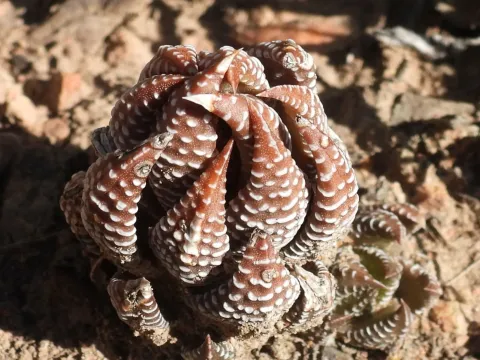
Haworthiopsis is a genus of succulent plants belonging to the Asphodeloideae subfamily. These plants are widely appreciated in horticulture for their compact size, rigid leaves, and striking geometric patterns.
What the section contains


Haworthiopsis
Originating from the arid regions of Southern Africa, these plants have evolved to survive in harsh rocky terrain. They thrive in environments where drainage is rapid and water availability is highly seasonal.
For cultivation, Haworthiopsis requires bright, indirect light to maintain its characteristic compact shape and coloration. Excessive shade leads to etiolation, while direct intense sun may scorch the leaf tissues.
Soil composition must mimic the natural habitat, favoring gritty and well-draining mineral-based mixes. An ideal substrate consists of coarse sand, pumice, and a small portion of organic potting soil to ensure optimal aeration.
Temperature management is crucial: during the active growing season, standard room temperatures are ideal. In winter, a cooler period of 10-15 degrees Celsius helps stimulate the plant's natural dormant cycle.
The most common threat to the cultivation of Haworthiopsis is root rot caused by stagnant water in the substrate. This issue is almost always a result of overwatering or the use of poorly draining soil mixtures.
Mealybugs are the primary pest affecting this genus. They typically congregate deep within the leaf axils, sucking the plant's sap and weakening its overall structure over time, leading to stunted growth.
Spider mites can also become a problem in dry, low-humidity environments. They cause stippling and discoloration on the leaves, which can permanently damage the aesthetic appearance of the succulent.
Effective management includes regular monitoring and the use of targeted systemic insecticides. Manual removal of pests using alcohol-dipped cotton swabs can be effective for small infestations.
Preventative measures include maintaining good airflow around the plants and ensuring that the substrate dries out completely between watering sessions to minimize fungal infection risks.