
Gasteria batesiana
Gasteria batesiana
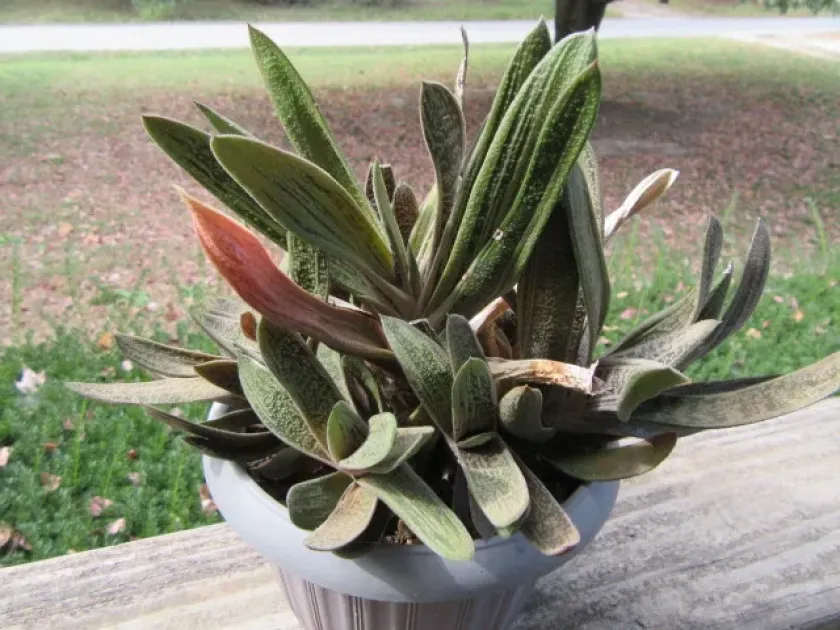
Description
Growing requirements
Gasteria batesiana is a perennial succulent species belonging to the Asphodelaceae family. It originates from the rocky regions of South Africa, where it thrives in sheltered habitats protected from direct equatorial sunlight.
Botanically, the plant is known for its stiff, triangular leaves with a rough, warty surface. This structural adaptation allows it to survive in water-limited environments, making it a highly resilient species for domestic cultivation.
Agricultural requirements for this crop focus on soil drainage. A gritty, mineral-based medium is essential to prevent root asphyxiation. The pH of the substrate should be neutral or slightly acidic to promote nutrient uptake.
Climate conditions must replicate a cycle of wet and dry seasons. During the active growth phase, consistent light and moderate watering are needed. During dormancy in winter, the plant requires cooler temperatures and almost no moisture.
The primary economic and aesthetic application of Gasteria batesiana is in the horticultural market as a decorative indoor plant. Its sculptural form makes it a sought-after subject for small-space gardening and desert-style plant arrangements.
Main diseases and pests
The most common disease affecting this succulent is root rot, typically caused by waterlogged soil. This condition is often fatal if not diagnosed early, as the root system lacks the capacity to recover from excessive moisture.
Pests such as mealybugs and spider mites are frequent threats in indoor environments. Mealybugs hide between leaves, sucking sap and weakening the plant, while spider mites create fine webs that stunt overall growth.
Effective management includes using systemic horticultural insecticides and physically cleaning the foliage. Applying neem oil or insecticidal soap is a standard preventative measure used by many nursery growers.
Regular sanitation of the growing environment is crucial to minimize the risk of infestation. Removing dead leaves and debris from the base of the rosette prevents the accumulation of moisture and habitat for potential pests.
Integrated pest management strategies are recommended, focusing on maintaining optimal plant vigor through correct light and watering, which naturally increases the plant's resistance to minor pest attacks.