
Gasteria nitida
Gasteria nitida
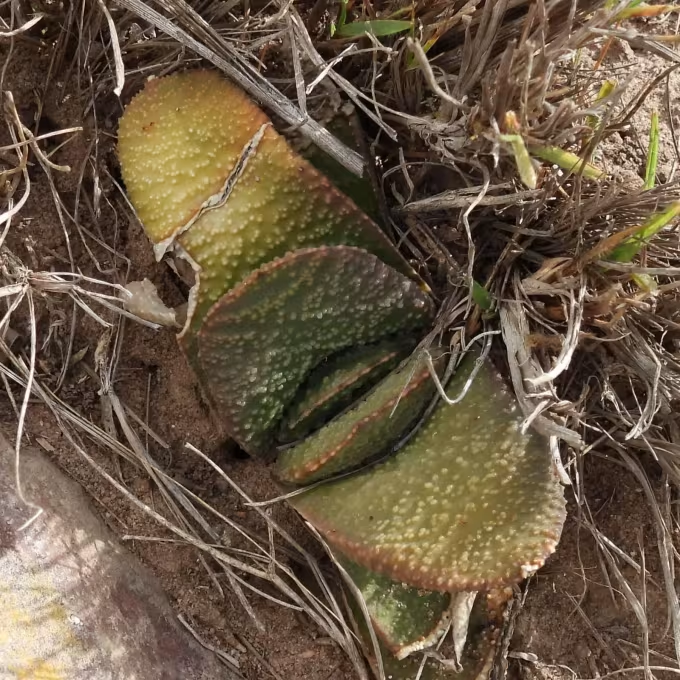
Description
Growing requirements
Gasteria nitida is a succulent plant belonging to the Asphodelaceae family. Native to the semi-arid regions of South Africa, it has evolved to thrive in environments with irregular rainfall and intense sunlight, making it highly drought-tolerant.
The crop requires a highly porous and well-draining soil medium. A standard commercial mix for cacti and succulents, enriched with grit, pumice, or coarse sand, is essential to ensure that water does not remain trapped around the roots.
Proper lighting is vital for the plant to maintain its characteristic compact shape and thick, textured leaves. Bright, indirect light is ideal, as direct, scorching sun exposure can damage the foliage and cause discoloration.
Temperature requirements for this species are relatively flexible, but it prefers moderate conditions. During the growing season, temperatures between 20°C and 25°C are optimal, while a cooler winter rest period is beneficial for flowering.
Watering practices should be strictly controlled: wait until the soil has dried out completely before adding more moisture. During winter dormancy, watering should be reduced significantly to reflect the plant's slower metabolic rate.
Main diseases and pests
The primary threat to Gasteria nitida is root rot caused by overwatering or poorly draining soil. Once the roots are compromised, the rot can spread rapidly to the succulent's base, making recovery difficult.
Mealybugs are common pests that tend to hide in the crevices between the leaves. Regular inspection and the application of appropriate contact insecticides are necessary to maintain plant health.
Spider mites may infest the plant if the ambient humidity remains too low for extended periods. They feed on plant sap, leading to stunted growth and damaged, discolored patches on the succulent leaves.
Scale insects can also attach to the foliage, appearing as small bumps. They can be manually removed or treated with systemic pesticides to prevent them from sapping the plant's strength and spreading to other specimens.
Poor ventilation can exacerbate fungal and bacterial issues. Ensuring adequate air circulation around the plant is a critical preventive measure, especially in greenhouses or poorly ventilated living spaces.