
Gasteria pillansii
Gasteria pillansii
Description
Growing requirements
Gasteria pillansii is a succulent species belonging to the Asphodelaceae family. This plant is native to the arid regions of the Northern Cape in South Africa and southern parts of Namibia.
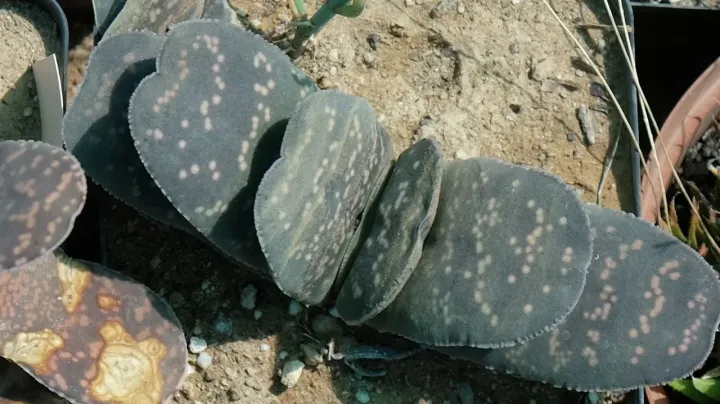
Botanically, it is known for its thick, tongue-shaped leaves arranged in a distichous or spiral rosette. The surface of the foliage is typically rough, textured with small tubercles, and often speckled with white spots.
In terms of cultivation, this plant requires high light levels, though it thrives best in bright, filtered sunlight rather than harsh, direct midday sun which can bleach the foliage.
The soil must be highly porous and inorganic-heavy to ensure rapid drainage. A standard succulent mix amended with additional perlite, pumice, or coarse gravel is ideal for preventing moisture retention.
Environmental requirements include a warm growing season and a cooler dormant period. During winter, the plant should be kept in a cool area with minimal water to mimic its natural dormancy cycle.
Main diseases and pests
The most significant threat to Gasteria pillansii is overwatering. Excess moisture in the root zone leads to physiological root decay, which is frequently irreversible if caught late.
Mealybugs are the most common pest observed on these succulents. They tend to settle in the tight spaces between the leaves where they are protected and difficult to reach without systemic treatments.
Scale insects can also infest the plant, attaching themselves to the leaves and draining nutrients. Manual removal combined with horticultural oil applications is typically effective for localized infestations.
Root rot caused by fungal pathogens thrives when the substrate is too dense or water is applied too frequently. Proper air circulation around the base of the plant is crucial for health.
To ensure long-term health, growers should practice strict water management and avoid getting water inside the rosette, as this can lead to crown rot in enclosed indoor environments.