
Gasteria glomerata
Gasteria glomerata
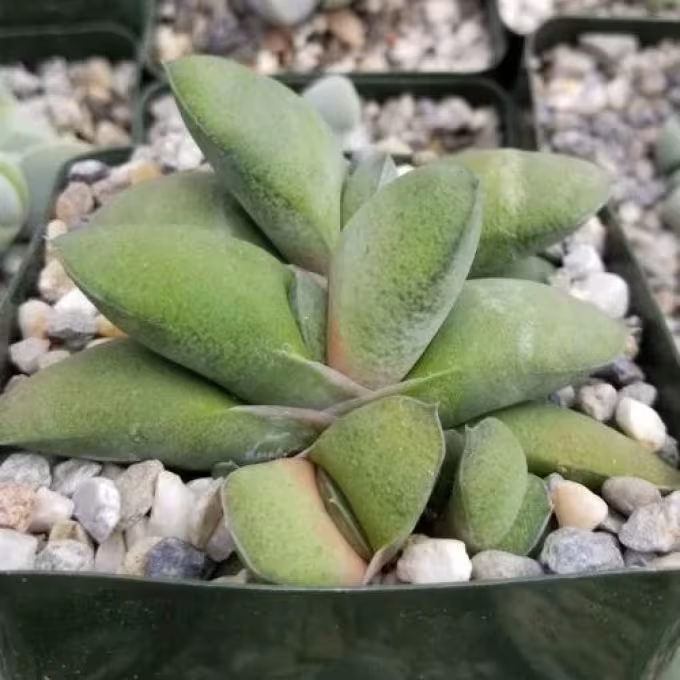
Description
Growing requirements
Gasteria glomerata is a distinct succulent species belonging to the Asphodelaceae family. Native to the rocky slopes of the Kouga River valley in South Africa, this plant has evolved to thrive in arid conditions with minimal soil resources.
Successful cultivation requires a highly porous and well-draining potting medium. A mixture consisting of 50% inorganic material, such as pumice or coarse sand, and 50% standard potting soil is recommended to prevent root rot.
This species thrives in bright, indirect light. While it can withstand some morning sun, intense afternoon exposure often causes leaf scorching. Consistent exposure to bright light helps maintain the plant's compact, rosette-forming habit.
Watering frequency should be strictly regulated based on the substrate moisture content. Allow the soil to dry out completely between waterings. During the winter dormant phase, the plant requires a cooling period and very little water to trigger spring flowering.
The primary use of Gasteria glomerata is as an ornamental plant for indoor collections and rock gardens. Its unique, tongue-shaped leaves and compact growth make it highly prized by succulent enthusiasts globally.
Main diseases and pests
The most significant threat to this species is fungal root rot, primarily caused by overwatering or poor drainage systems. Maintaining dry soil during cool periods and ensuring proper air circulation around the rosettes is vital for plant health.
Common succulent pests such as mealybugs and spider mites can occasionally affect the plant. Mechanical removal or targeted use of insecticidal soaps and systemic insecticides is usually effective in managing these infestations.