
Arundinaria humilis
Arundinaria humilis
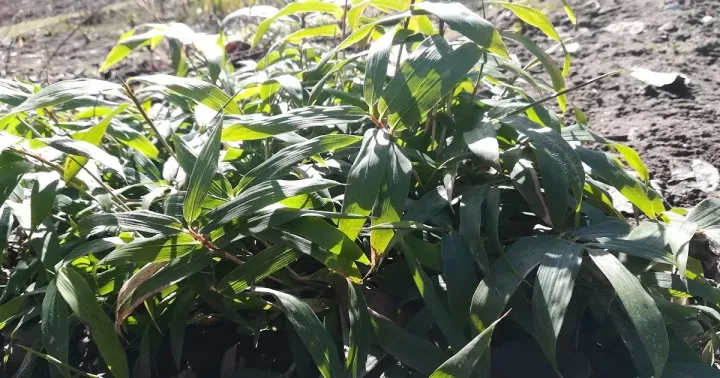
Description
Sowing dates
Arundinaria humilis, commonly known as a type of dwarf bamboo, belongs to the Poaceae family. In agricultural and horticultural practices, this species is primarily propagated vegetatively by rhizome division rather than by seeds, as division ensures the plant maintains its specific morphological characteristics.
The ideal time for transplanting or dividing the root system is early spring, immediately before the active growing season begins. This allows the plants to establish their roots in the new environment before they have to support a heavy canopy of foliage during the warmer months.
While seed propagation is less common due to lower germination rates, it requires high-quality substrate and consistent moisture. Seeds should be kept in a controlled environment with temperatures between 20-22 degrees Celsius until they show signs of sprouting.
When planting, ensure the site is protected from harsh winds that might snap the delicate culms. After the division is planted, it is critical to water the site thoroughly to settle the soil around the roots and eliminate any air pockets that could cause the roots to dry out.
The planting density depends on the landscape design goals; however, for a solid ground cover effect, it is recommended to space individual units about 30 to 40 centimeters apart, allowing them to fill in over time.
Growing requirements
This species thrives in fertile, well-draining soils with a slightly acidic to neutral pH level. It is essential to provide good drainage, as waterlogged conditions during the winter can lead to root rot and significant decline in plant health.
Arundinaria humilis prefers a location with partial shade, especially where it is protected from intense afternoon sun that can scorch the leaves. High humidity is beneficial, so regular misting or ensuring a moist microclimate can significantly improve the overall health and color of the foliage.
Regarding climate, the plant is moderately cold-hardy, but in regions with harsh winters, a thick layer of organic mulch, such as wood chips or straw, is recommended to protect the rhizomes from deep soil freezing. This simple measure helps the plant emerge vigorously in the spring.
Fertilization should be focused on the spring months using balanced fertilizers rich in nitrogen. This supports the production of new canes and helps maintain a deep green color, which is a hallmark of a healthy specimen of this species.
One of the most important aspects of managing this bamboo is implementing root barriers. Since Arundinaria humilis is known to spread rapidly through underground rhizomes, installing physical borders around the planting area is essential for maintenance control.
Main diseases and pests
The spider mite is a common pest for Arundinaria humilis, particularly in environments with low humidity or poor airflow. An infestation typically manifests as fine webbing on the leaves, followed by yellowing and eventual desiccation of the foliage.
Aphids can also be problematic, especially on new, succulent growth. They suck the sap from the stems, which can lead to stunted growth and the transmission of secondary viral or fungal pathogens, requiring timely treatment with approved insecticides.
Fungal diseases like rust and powdery mildew are significant threats, often triggered by overcrowding or high humidity without adequate ventilation. If the planting becomes too dense, the lack of air movement creates the perfect breeding ground for fungal spores.
Effective management includes regular sanitary pruning of old, dead, or damaged canes during the spring. This practice not only keeps the plant looking tidy but also improves air circulation within the cluster, which is a powerful preventative measure.
In cases where disease outbreaks occur, chemical intervention using fungicides is often necessary. Applications should be performed according to manufacturer instructions, ensuring the foliage is covered completely for optimal control of the infection.