
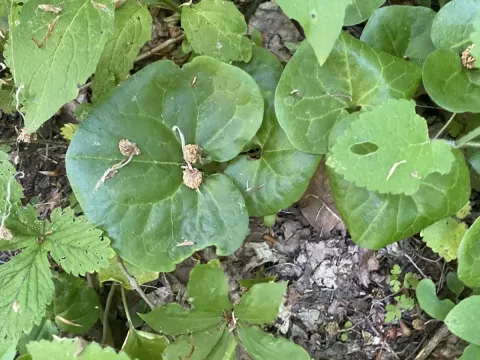
Asarum intermedium
Asarum intermedium
Asarum intermedium, known as the intermediate wild ginger, belongs to the Aristolochiaceae family. It is a perennial herbaceous plant recognized for its thick, creeping rhizomes and distinctively shaped, leather-like foliage that provides excellent ground cover in forest-like garden environments.
What the section contains
Asarum intermedium
Originating from the temperate regions of East Asia, this species thrives in forest soils rich in organic matter. It prefers soil conditions that are consistently moist but well-draining, with a neutral to slightly acidic pH level, mimicking its native woodland floor habitat.
The cultivation of this plant requires meticulous attention to light exposure. It is strictly a shade-loving species; direct, intense sunlight can rapidly scorch the leaves and impede the growth of the shallow root system, leading to the decline of the plant specimen.
Regarding climatic requirements, Asarum intermedium exhibits robust cold tolerance, making it suitable for temperate regions. However, it requires a steady supply of moisture throughout the growing season, as it lacks deep root penetration to access subterranean water reserves during dry spells.
Historically and commercially, the plant is primarily utilized in horticultural settings as an ornamental ground cover. While some members of the genus have been used in traditional medicine, the presence of aristolochic acid makes professional caution necessary regarding any medicinal consumption or application.
The most significant pests affecting this species are slugs and snails, which can severely defoliate the plants during humid spring and autumn months. Protective measures such as creating physical barriers or using non-toxic traps are essential for maintaining plant health.
Regarding diseases, root rot is the primary concern, typically caused by waterlogged soil conditions. Proper soil amendment with organic matter to improve drainage and ensuring adequate spacing between plants can significantly reduce the risk of fungal infections.