
Asarum caulescens
Asarum caulescens
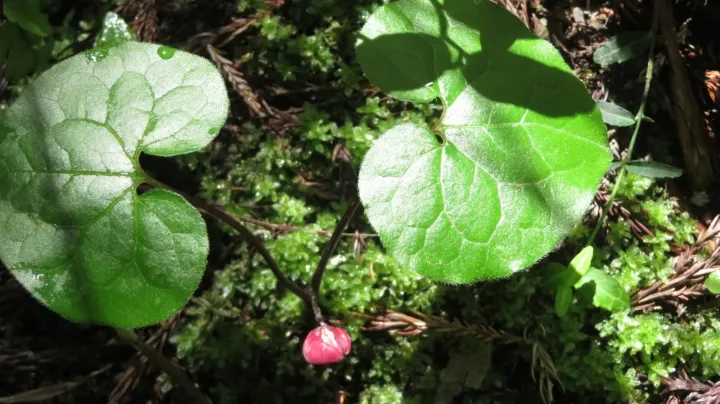
Description
Growing requirements
Asarum caulescens, commonly known as a type of wild ginger, is a perennial herbaceous plant belonging to the Aristolochiaceae family. Unlike common European ginger species, this plant features a distinct stem, making it a unique specimen for botanists and specialized gardeners.
Native to the forests of East Asia, primarily Japan, this plant has adapted to shaded, moist environments. In its natural habitat, it thrives under dense tree canopies, which provide the consistent shade and humidity necessary for its survival and growth.
For cultivation, gardeners must select sites that offer partial to full shade. Direct sunlight is detrimental to the plant, leading to leaf scorching and rapid dehydration. The soil should be nutrient-rich, humus-heavy, and possess excellent drainage to prevent root issues.
The optimal climate for Asarum caulescens involves cool to temperate conditions. It requires stable soil moisture levels throughout the growing season, necessitating supplemental irrigation during dry spells while ensuring that water does not pool around the roots.
The plant is highly valued in horticulture for its ability to form a lush, ground-covering carpet in shaded areas where other plants struggle to grow. Its decorative foliage and unique growth habit make it a desirable addition to woodland-style gardens and rockeries.
Main diseases and pests
Slugs and snails are the most significant pests for Asarum caulescens, particularly in wet, shaded environments. These mollusks can cause extensive damage to the foliage, which is why physical barriers or biological controls are highly recommended.
Root rot is the primary disease threat, typically caused by waterlogged soil or poor aeration. Maintaining a well-drained substrate and avoiding deep planting are essential strategies for preventing these fatal fungal infections.
Leaf spot diseases may occur when high humidity levels persist for long periods. If symptoms appear, it is crucial to remove affected leaves promptly and improve air circulation to halt the spread of the pathogen.
Competition from vigorous weeds can also stress the plant, as it has a relatively shallow root system. Regular, careful hand-weeding is necessary to ensure the plant has access to adequate soil moisture and nutrients.
Preventative care, including proper spacing and maintaining a clean planting environment, is the best strategy for managing common threats and ensuring the long-term health of the plant in a landscape setting.