
Asarum heterotropoides
Asarum heterotropoides
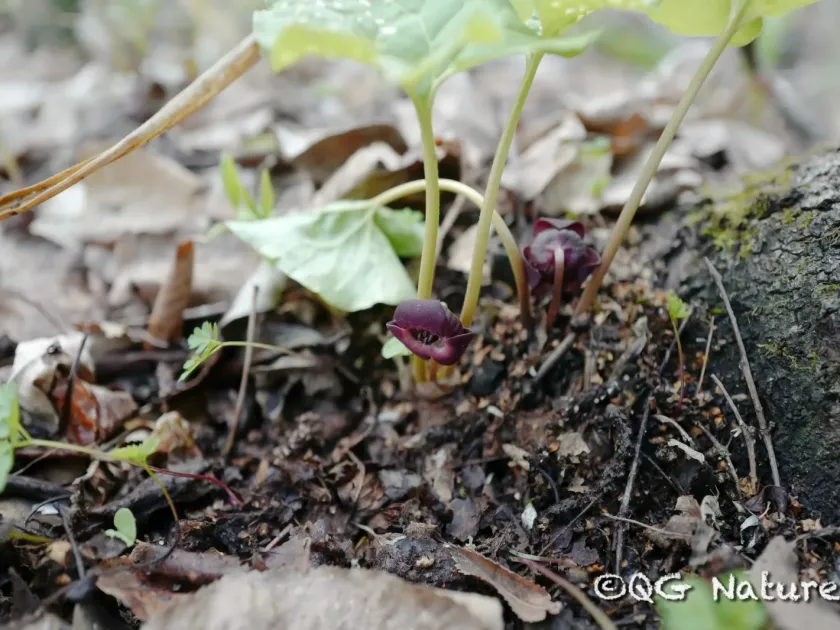
Description
Sowing dates
Asarum heterotropoides is primarily propagated vegetatively through rhizome division, which ensures the maintenance of desirable characteristics and high success rates in establishment. The ideal planting periods are early spring or mid-autumn when the plants are in a period of relative dormancy.
Seed propagation is also possible but requires cold stratification to overcome physiological dormancy. Seeds should ideally be sown in outdoor beds in late autumn to benefit from natural temperature fluctuations throughout the winter, which promotes uniform spring germination.
Field preparation involves tilling the soil to a fine tilth and incorporating organic amendments like leaf mold or compost. This creates a porous soil environment necessary for the sensitive, creeping rhizomes to establish and expand effectively.
Plants should be spaced 20 to 30 cm apart to allow for lateral growth and to ensure adequate airflow within the canopy. Proper spacing is crucial to prevent the micro-environment from becoming too humid, which can lead to fungal issues.
Following planting, a layer of mulch is highly recommended to regulate soil temperature and moisture. This mimics the plant's natural forest-floor habitat, protecting the shallow root system from extreme fluctuations in temperature.
Growing requirements
Belonging to the Aristolochiaceae family, this plant is native to moist, shaded forest regions. It thrives in environments that replicate these conditions, requiring partial to deep shade to prevent leaf scorching and desiccation.
The soil should be rich in organic matter and possess a slightly acidic to neutral pH (5.5–7.0). Heavy clay or highly alkaline soils should be avoided or amended with sand and acidic peat to improve drainage and nutrient availability.
Moisture management is essential; the plant requires a consistently moist but well-drained medium. In agricultural settings, irrigation systems must be calibrated to avoid waterlogging, which is a major precursor to root rot diseases.
Climate considerations include protection from strong winds and harsh sunlight. While the species is frost-hardy, younger or newly established plantations benefit from a protective layer of straw or branches during the first winter.
For commercial production, overhead shading structures are often employed. These systems simulate a forest canopy, allowing the grower to control light intensity and humidity levels, which in turn maximizes the synthesis of active medicinal compounds.
Yield
The harvestable yield of Asarum heterotropoides rhizomes typically peaks during the third or fourth year of cultivation. Premature harvesting results in lower concentration of volatile oils and reduced root biomass.
Under optimal conditions, producers can expect a yield ranging from 500 to 800 kg of dried rhizome per hectare. Achieving these figures requires careful management of soil fertility and strict adherence to moisture requirements throughout the growing cycle.
Quality control is paramount, as the market value is largely dictated by the content of specific alkaloids and essential oils. Regular testing of the crop's chemical profile throughout the final season of growth helps in determining the perfect harvest window.
Productivity is enhanced by balanced fertilization, avoiding high concentrations of synthetic salts. Organic-based nutrients provide a slow, steady supply of minerals that favor the accumulation of phytochemicals rather than excessive vegetative growth.
Sustainable production practices, including crop rotation and periodic resting of the soil, are encouraged to maintain long-term plot health and to ensure consistently high-quality harvests for the pharmaceutical industry.
Main diseases and pests
The primary threats to this crop are soil-borne pathogens and moisture-loving fungi. Species like Pythium and Phytophthora can cause devastating root rots if the soil is poorly drained or if the plants are over-irrigated during hot summer months.
Foliar diseases, such as powdery mildew or leaf spots, can reduce the plant's ability to photosynthesize. These are typically managed through strict hygiene practices, such as removing fallen leaves and providing adequate air circulation.
Pests like slugs and snails are notorious for causing significant damage to the lush, shade-loving foliage. Integrated pest management strategies, such as physical barriers or environmentally safe biological control agents, are standard practice.
Aphids can also pose a risk, not only by direct sap-feeding but also by acting as vectors for viral infections. Regular field inspections and prompt intervention are necessary to prevent population outbreaks that could weaken the stand.
Preventative measures, including the avoidance of fresh manure and the use of healthy, disease-free starter material, are the best defense against complex disease pressure in Asarum plantations.
Harvesting
The harvest period begins in late autumn when the foliage starts to turn yellow or dies back naturally. This transition signals that the plant has translocated its resources into the rhizomes, ensuring the highest possible quality of raw material.
Rhizomes are carefully lifted from the soil using forks or specialized root harvesting equipment. Careful handling is required to avoid snapping the brittle roots, as mechanical damage can lead to rapid oxidation and degradation of the active compounds.
Immediate post-harvest processing involves washing the roots in cool water to remove soil particles. It is critical to avoid prolonged soaking, which can leach out essential volatile compounds and decrease the product's medicinal efficacy.
Drying is performed in climate-controlled rooms with temperatures between 40°C and 45°C. Proper airflow is maintained throughout the drying process to ensure that the rhizomes lose moisture evenly without overheating.
Once dried to the desired moisture level, the rhizomes are cleaned of any remaining debris, graded for size, and stored in opaque, airtight containers to protect them from light and humidity until they reach the final consumer.