
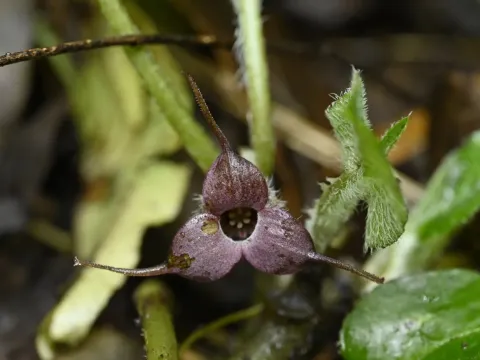
Asarum caudigerum
Asarum caudigerum
Propagation of Asarum caudigerum is most effectively achieved through the division of rhizomes. This operation should be performed in early spring, just before the start of the active growth phase, to ensure that the plant has sufficient time to establish itself before the arrival of heat.
What the section contains
Asarum caudigerum
When propagating by seed, the material must undergo a cold stratification process. Seeds are typically sown in late autumn, allowing them to remain in the soil throughout the winter, which triggers germination when temperatures rise in the following spring.
Site preparation involves clearing the ground of perennial weeds and incorporating organic matter such as leaf mold or compost. A loose, aerated soil structure is crucial for the development of the creeping rhizomes characteristic of this species.
Planting density depends on the desired coverage speed, with recommended spacing of approximately 25 centimeters between individual specimens. Properly spaced plants will eventually form a dense, uniform carpet that effectively suppresses competing weed species.
Initial irrigation is critical immediately after planting to ensure good soil-to-root contact. A layer of mulch, such as pine needles or wood chips, is highly recommended to regulate soil temperature and prevent surface crusting.
Asarum caudigerum belongs to the Aristolochiaceae family and is native to humid, forested regions. It thrives in shaded or semi-shaded environments, making it an excellent choice for woodland gardens where direct sunlight is limited or absent.
The plant requires consistently moist, fertile, and well-drained soil. A neutral to slightly acidic pH is ideal for promoting nutrient uptake and maintaining the health of the foliage, which is the primary ornamental feature of this species.
Temperature management is straightforward, as the plant is hardy in temperate climates. However, it requires protection from extreme desiccation in summer and severe frost in winter, particularly in regions with limited snow cover.
The botanical structure of the plant features long-stalked, cordate leaves that form basal rosettes. Its flowers are distinctively shaped with long, tail-like appendages, which serve a specialized ecological role in attracting specific pollinators.
Watering should be managed to keep the soil evenly moist but never waterlogged. Because this plant has a relatively slow growth rate, stable environmental conditions are vital for its longevity and visual performance in the landscape.
Slugs and snails represent the primary threat to the foliage of Asarum caudigerum. Their feeding activity can cause unsightly damage to the leaves, and therefore, implementing barrier controls or trapping methods is a standard part of garden management.
Root rot is the most common disease encountered when drainage is insufficient or when the soil remains constantly soggy. This condition can rapidly lead to the collapse of the plant, making proper site selection the most important preventative measure.
Fungal leaf spot diseases may appear during seasons with high humidity and stagnant air. Regular removal of dead or decaying foliage helps to improve air circulation within the plant canopy and reduces the prevalence of fungal pathogens.
Monitoring the plant for signs of stress is recommended throughout the growing season. Early detection of pests or diseases allows for targeted interventions, such as the use of organic fungicides or mechanical removal of affected leaves.
Maintaining a healthy, balanced soil ecosystem is the best long-term strategy for protection. Encouraging beneficial microorganisms through the application of compost tea can help strengthen the plant's natural defenses against common horticultural threats.