
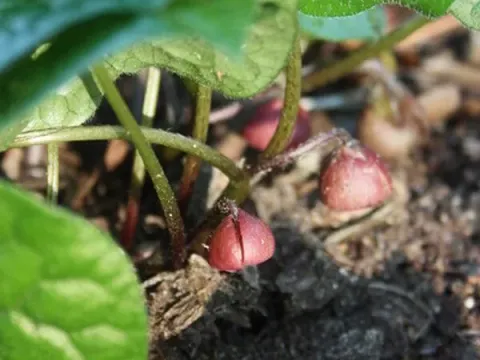
Asarum debile
Asarum debile
Asarum debile is a perennial herbaceous plant, typically propagated through seeds or rhizome division. In controlled agricultural environments, seeds should be sown in autumn to allow for natural stratification, which is essential for successful germination in the spring.
What the section contains
Asarum debile
Vegetative propagation is achieved by dividing the rhizomes during the dormant season, specifically in early spring or late summer. Providing adequate spacing, approximately 20–30 centimeters between plants, is crucial to prevent overcrowding and ensure robust growth of the root system.
Soil preparation before sowing requires deep cultivation and the incorporation of organic fertilizers, such as well-rotted compost. The soil structure must be loose to allow for the easy expansion of the fragile rhizomes in the upper soil profile.
Seeds should be covered with a thin layer of soil, no more than 1–2 centimeters deep. Post-sowing, it is recommended to apply a light layer of mulch to maintain moisture levels and protect the soil surface from drying out during the critical germination period.
After the seeds germinate, the crop requires consistent irrigation and active weed management. Asarum debile develops slowly in its first year, making it highly susceptible to competition from fast-growing weeds that can shade out the young plants.
Asarum debile belongs to the Aristolochiaceae family and naturally prefers shaded, humid environments. In cultivation, it thrives best in areas with dappled sunlight, protected from the direct, harsh rays that can cause leaf scorch.
The plant has specific soil requirements, favoring fertile, humus-rich, well-drained but consistently moist substrates. Waterlogging must be strictly avoided, as it can lead to the rapid decay of the delicate rhizome network.
The ideal pH range for this crop is slightly acidic to neutral. Maintaining a microclimate similar to forest conditions is beneficial for growth, which can be achieved through strategic planting under the canopy of trees or in specialized shade structures.
While the plant exhibits good cold tolerance adapted from its East Asian origins, it requires protection during extreme winter conditions, especially in areas with little snow cover, to prevent root damage from deep freezing.
Regular irrigation during dry periods is necessary for sustained growth. However, care must be taken to ensure adequate soil drainage, as prolonged moisture saturation is the primary cause of root-related health issues in this species.
The yield of Asarum debile is measured by the harvestable biomass of its rhizomes, which are rich in bioactive compounds. Due to the plant's slow growth cycle, commercial harvesting is typically feasible only after 3 to 4 years of cultivation.
Total yield is heavily dependent on adherence to agronomic practices, particularly soil nutrition and effective weed control. On well-managed plots with high organic content, plant productivity is significantly higher than in wild populations.
The primary method for improving harvest volumes is through balanced fertilization and maintaining optimal plant density. Proper spacing ensures each plant has access to sufficient nutrients to develop its underground mass effectively.
Limiting factors for yield include intense competition from invasive vegetation and nutrient depletion. Regular amendments with organic matter help sustain long-term fertility, ensuring that the rhizomes reach the required size and quality for commercial processing.
Standardizing the harvest involves careful cleaning, washing, and drying of the roots. Maintaining the integrity of the bioactive profile is more important than total weight, requiring precise control over the post-harvest processing stages.
The main threats to Asarum debile include fungal diseases such as powdery mildew and various forms of root rot. These issues predominantly occur under conditions of excessive humidity, poor air circulation, or improper soil management.
While pests are generally minor, terrestrial mollusks like slugs and snails can inflict severe damage. These pests feed on the succulent leaves, significantly reducing photosynthetic capacity and weakening the plant's overall development.
Preventive measures against fungal infections involve spacing plants appropriately to ensure airflow and performing regular sanitary pruning. If an infection is detected, approved fungicides should be applied according to regulations for medicinal crops.
For controlling mollusks, physical barriers, traps, or environmentally safe granular baits are recommended. Keeping the plantation clear of excessive debris helps reduce hiding spots for these pests, lowering their impact on the crop.
Constant monitoring of the fields is essential for early detection of potential threats. By addressing issues at an early stage, farmers can minimize the need for heavy chemical treatments and ensure the environmental quality of the harvested medicinal product.
Harvesting Asarum debile is conducted at the end of the growing season when the above-ground foliage begins to wither. This transition period signals that the plant has accumulated its peak levels of bioactive substances in the rhizomes.
The rhizomes are carefully unearthed using garden forks to avoid mechanical damage. Immediate cleaning of soil and debris is necessary to prepare the raw material for processing and to prevent contamination or early rot.
After washing with running water, the material must be dried in a shaded, well-ventilated area to remove excess surface moisture. Proper drying is crucial for preserving the chemical composition, including essential oils and alkaloids.
The final drying process should occur in controlled environments at temperatures not exceeding 45–50 degrees Celsius. Excessive heat can degrade the medicinal components, rendering the raw material ineffective for pharmaceutical use.
Once dried, the product should be sorted and stored in breathable containers, such as paper bags, in a cool, dark, and dry facility. This storage method protects the herb from light, moisture, and pests, ensuring long-term shelf life.