
Asarum fauriei
Asarum fauriei
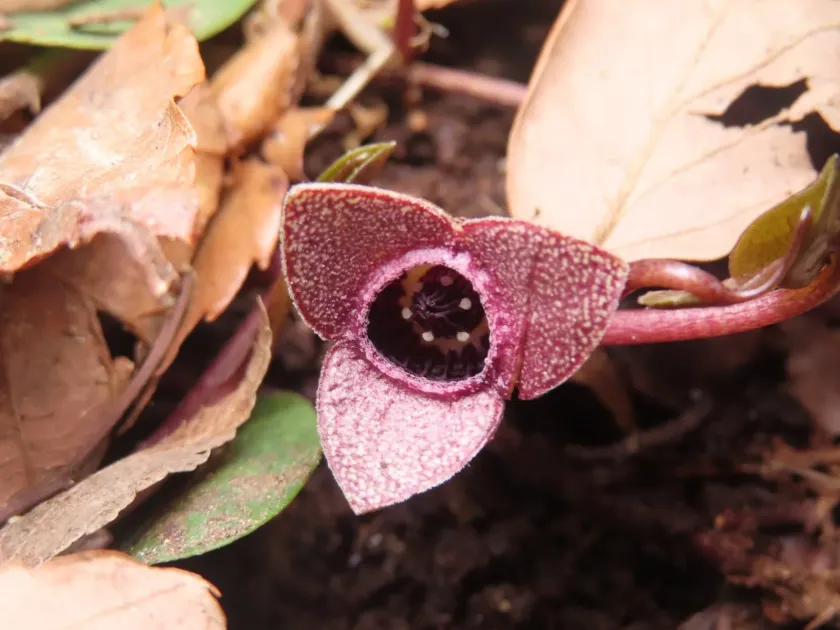
Description
Sowing dates
Asarum fauriei, a member of the Aristolochiaceae family, is a shade-loving herbaceous perennial known for its distinctive foliage and medicinal properties. This species is native to specific woodland habitats and requires careful handling during the propagation phase.
Seed propagation is challenging due to complex dormancy mechanisms. Seeds typically require a period of cold stratification, often lasting several months, to break dormancy and ensure successful germination in the following spring.
Vegetative propagation via rhizome division is the preferred method for commercial cultivation. Dividing mature clumps allows for consistent genetic characteristics and faster plant establishment compared to seed sowing.
When propagating through division, it is essential to ensure that each segment contains at least one or two active buds. This practice encourages rapid root development and foliage expansion in the new planting site.
The planting depth should be shallow, covering the rhizome segments with just enough soil to protect them from desiccation while allowing the buds to emerge easily. Proper spacing, typically 25 cm apart, supports healthy canopy development.
Growing requirements
Asarum fauriei thrives in deep shade or filtered sunlight, mimicking its natural understory environment. Exposure to direct sunlight is detrimental, as it causes leaf scorch and promotes soil drying, which stresses the plant.
The ideal soil is moisture-retentive, rich in organic matter, and slightly acidic. Woodland-derived soils, amended with leaf mold or well-decomposed compost, provide the optimal structure and nutrient profile for this species.
Consistent soil moisture is vital for the health of Asarum fauriei. While the soil should be kept moist, it must also be well-drained to prevent root rot, which is a major risk in waterlogged or heavy clay-based soils.
The plant is highly adaptable to temperate climates and exhibits good winter hardiness. In regions with harsh, snowless winters, applying a light layer of mulch helps insulate the root systems and protects the rhizomes from freezing temperatures.
Maintenance involves routine weeding, as Asarum fauriei is a slow-growing plant that does not compete well with aggressive weeds. Hand-weeding is recommended to avoid damaging the delicate, shallow root system of the crop.
Yield
The productivity of Asarum fauriei is measured primarily by the accumulation of rhizome mass. Typically, the harvestable yield is reached within 3 to 4 years of initial planting, allowing the plant sufficient time to mature.
Yield stability is heavily dependent on maintaining optimal soil organic content and consistent hydration throughout the growing season. High-quality soil conditions directly influence the secondary metabolite content within the rhizomes.
Strategic thinning of overgrown clumps can stimulate new growth and prevent overcrowding, which otherwise limits nutrient availability. Maintaining a balanced plant density is essential for consistent annual production.
While leaf harvest can provide secondary income, the rhizome remains the primary economic component. Harvesting should be performed with precision to ensure that enough plant material remains for regeneration or replanting.
Although large-scale production data is scarce due to the plant's niche status, consistent horticultural practices can yield a sustainable supply of high-quality medicinal material over multiple growing cycles.
Main diseases and pests
Root rot caused by fungal pathogens like Phytophthora is the most significant threat to Asarum fauriei. This often occurs when soil drainage is insufficient or when the plants are grown in overly compacted soil types.
Powdery mildew can infect leaves during periods of high humidity and poor air circulation. While usually non-lethal, it reduces the plant's overall vigor and can affect the marketability of decorative nursery stock.
Slugs and snails pose a threat, particularly in the spring, as they graze on emerging foliage. Integrated pest management, such as physical barriers or biological controls, is preferred to maintain the plant's health and quality.
Competition from fast-growing weeds can quickly overwhelm young plants. If left unchecked, weeds facilitate a microclimate that harbors pests and diseases, increasing the need for chemical intervention, which should be avoided.
Proactive monitoring of soil health and drainage is the best defense against threats. Ensuring an environment that matches the plant's ecological niche naturally mitigates most disease pressures.
Harvesting
Harvesting is best timed for late autumn, once the plant has translocated its nutrient stores into the rhizomes for the dormant winter period. This timing ensures the highest concentration of phytochemicals.
The rhizomes are carefully lifted from the soil using garden forks to minimize damage to the fragile structures. After extraction, they are thoroughly cleaned of all soil particles using cool, gentle running water.
Post-harvest processing involves rapid drying to prevent enzymatic degradation of active components. Drying should occur in a well-ventilated, shaded environment, with temperatures strictly regulated to stay below 40 degrees Celsius.
Storage requires cool, dry, and dark conditions to preserve the stability of the harvested compounds. Using breathable packaging materials helps maintain quality and prevents moisture buildup during the storage period.
Regular quality checks during storage ensure that the product meets the required standards. Proper harvest and drying techniques are critical to ensuring the longevity and efficacy of the Asarum fauriei medicinal output.