
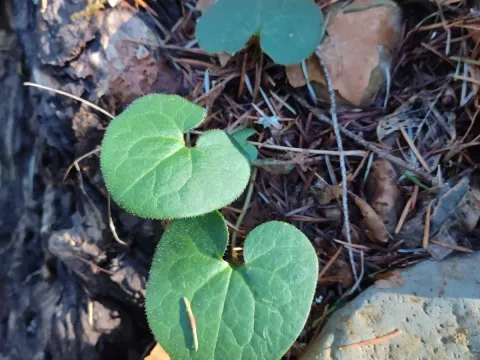
Asarum
Asarum L.
Asarum, commonly known as wild ginger, is a perennial plant belonging to the Aristolochiaceae family. It is native to temperate forests of the Northern Hemisphere, where it serves as a resilient and attractive groundcover.
What the section contains

Asarum
Botanically, it is characterized by kidney-shaped, leathery, evergreen leaves that grow from a creeping rhizome. The plant thrives in habitats that mimic the cool, moist environment of a forest floor.
The primary requirement for successful cultivation is a rich, well-draining soil with high organic matter content. Asarum performs best in partial to full shade, as its foliage can easily scorch under direct sunlight.
Agrotechnical maintenance focuses on moisture management. The soil should remain consistently moist but not waterlogged. Mulching with leaf mold or compost is highly recommended to suppress weeds and retain soil humidity.
Economically, Asarum is valued as a shade-tolerant ornamental plant for landscaping and, historically, for its medicinal properties. Its ability to create a dense carpet makes it ideal for woodland gardens.
Asarum is generally robust and rarely suffers from severe diseases. However, in poorly drained or waterlogged soils, the rhizomes are susceptible to root rot caused by various soil-borne pathogens.
Slugs and snails are the most significant pests for this crop. They are particularly attracted to the fresh spring growth and can cause significant aesthetic damage if not monitored during wet weather.
The plant possesses natural chemical defenses in the form of essential oils, which discourage many herbivores. This makes it a relatively low-maintenance crop regarding traditional pest control.
Under conditions of poor air circulation and high humidity, fungal infections like powdery mildew may appear. Thinning out the plantings can help improve airflow and mitigate this risk.
Strategic planting and regular monitoring for signs of stress are the best methods to maintain a healthy crop. Avoiding high-nitrogen fertilizers helps prevent the development of overly succulent tissues that attract pests.