
Asarum nipponicum
Asarum nipponicum
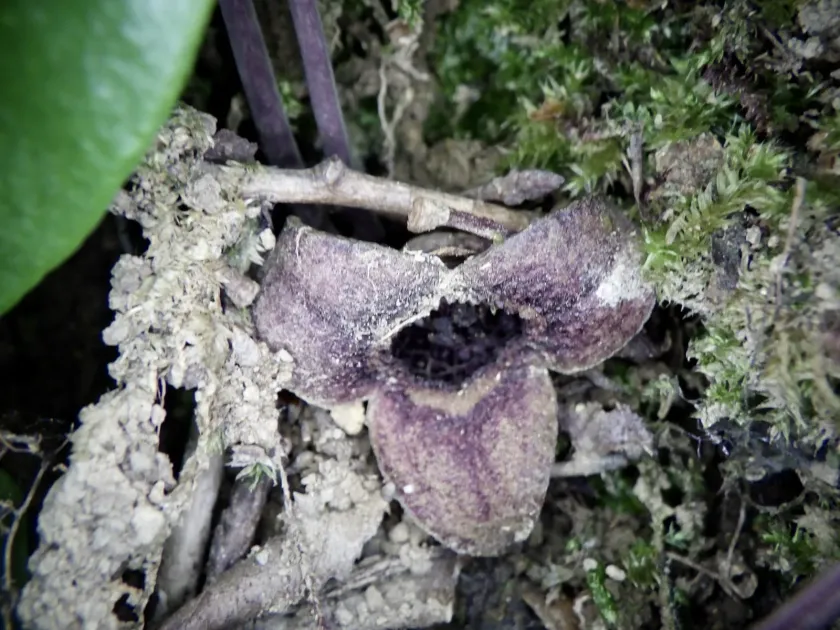
Description
Sowing dates
Asarum nipponicum is most effectively propagated through division of rhizomes, which should be performed during the plant's dormant periods in early spring or late summer.
When dividing, ensure that each section contains a healthy portion of the creeping rhizome and at least one or two active growth buds for rapid establishment.
Seed propagation is possible but requires cold stratification; seeds are typically sown in pots outdoors in autumn to mimic natural seasonal cycles.
For optimal growth, planting sites should be prepared with well-rotted leaf mold to provide a nutrient-rich environment for the developing root system.
Proper spacing is crucial; plants should be set approximately 20 to 30 centimeters apart to prevent overcrowding and allow the rhizomes to expand naturally.
Growing requirements
Belonging to the Aristolochiaceae family, this species thrives in woodland-like environments that provide deep to partial shade throughout the growing season.
The soil must be consistently moist, humus-rich, and well-drained; heavy clay soils should be amended with organic matter to improve aeration and drainage.
Temperature management is important, as the plant prefers cool, temperate climates and may struggle in regions characterized by intense, prolonged summer heat.
Maintaining a neutral to slightly acidic pH is ideal for the cultivation of this species, ensuring better availability of essential micronutrients.
Annual mulching with organic material serves the dual purpose of moisture retention and root protection during the coldest winter months.
Main diseases and pests
Slugs and snails are the most significant pests for Asarum nipponicum, often causing extensive damage to the evergreen foliage during damp spring weather.
Root rot caused by waterlogging is a serious threat; it is imperative to ensure that the site does not collect standing water after heavy rainfall.
Fungal leaf spots can occur, particularly if the humidity remains high and the foliage stays wet for extended periods without adequate air circulation.
Overcrowded plantings can become susceptible to powdery mildew, necessitating thinning of the patches to improve the overall health of the foliage.
Regular monitoring of the underside of the leaves is recommended, as this is a common hiding place for various small insects that feed on plant juices.