
Aristolochia saccata
Aristolochia saccata
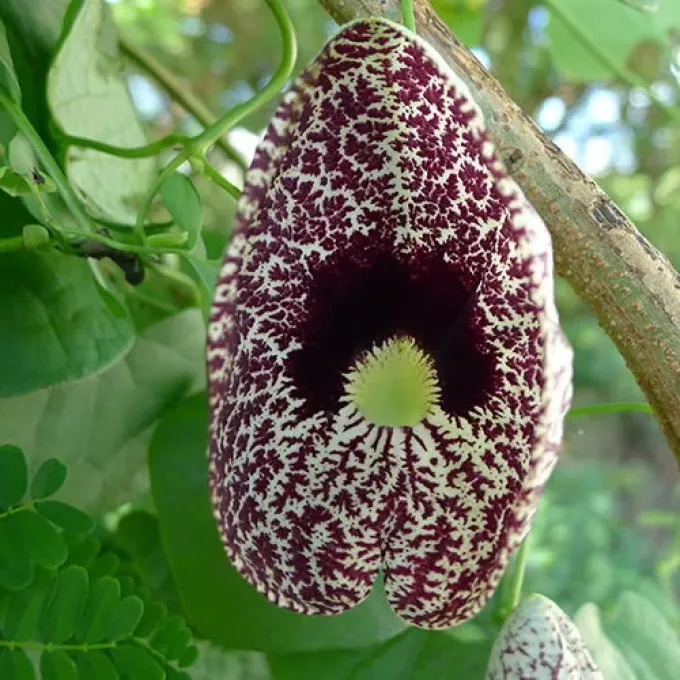
Description
Sowing dates
Aristolochia saccata is typically propagated through seeds or cuttings. Seed propagation requires a cold stratification period of approximately 60 to 90 days to break dormancy and ensure consistent germination rates in the spring.
Sow seeds in a well-drained, sandy-peat potting mix. Keep the soil consistently moist but not waterlogged, as seeds are susceptible to decay if the environment is overly wet or poorly ventilated.
Cuttings should be taken from vigorous semi-hardwood stems during the mid-summer months. Treat the base of the cuttings with rooting hormone to stimulate the development of an adventitious root system.
Young plants grown from seeds or cuttings should be protected in a sheltered nursery area during their first year. Once they develop a strong root system, they can be transplanted to their permanent location.
Ensure proper spacing of at least 1.5 to 2 meters between plants to allow for sufficient air circulation and root expansion. Crowded plantings are more prone to fungal infections and competition for nutrients.
Growing requirements
Belonging to the Aristolochiaceae family, this species is a woody, climbing vine native to mountain forests. It requires a partially shaded environment to protect its large, lush foliage from excessive sun exposure.
The plant thrives in fertile, loamy soils that are rich in organic matter. A slightly acidic to neutral pH level is ideal for nutrient uptake, and the soil must have excellent drainage to prevent root rot.
Climate requirements for Aristolochia saccata include moderate temperatures and relatively high air humidity. While the plant is resilient, it should be protected from harsh, cold winds which can damage new growth.
As a vigorous climber, this vine requires a sturdy trellis or support structure. Without a proper support system, the plant will trail along the ground, which may lead to reduced growth and poor floral development.
Regular maintenance involves consistent watering and fertilization during the peak growing season. Applying mulch around the base helps maintain soil moisture levels and protects roots from temperature fluctuations.
Main diseases and pests
Common pests affecting this vine include aphids and spider mites. These insects tend to colonize the undersides of leaves, and their feeding can cause leaf yellowing and structural damage to tender shoots.
Fungal infections, such as powdery mildew, often occur when airflow is restricted. Proper pruning and spacing are essential to maintain dry conditions around the foliage, which inhibits fungal spore development.
Root rot, typically caused by overwatering or soil compaction, is a critical threat to the plant's health. Improving soil porosity by adding perlite or compost can significantly reduce this risk.
In some regions, larvae of specific butterfly species may feed on the leaves. While this contributes to biodiversity, heavy infestations may require management to prevent complete defoliation of the ornamental vine.
Monitoring the plant for signs of stress or pest colonization is a key aspect of successful management. Early intervention with organic or synthetic treatments will preserve the decorative value of the plant.