
Aristolochia ringens
Aristolochia ringens
Description
Growing requirements
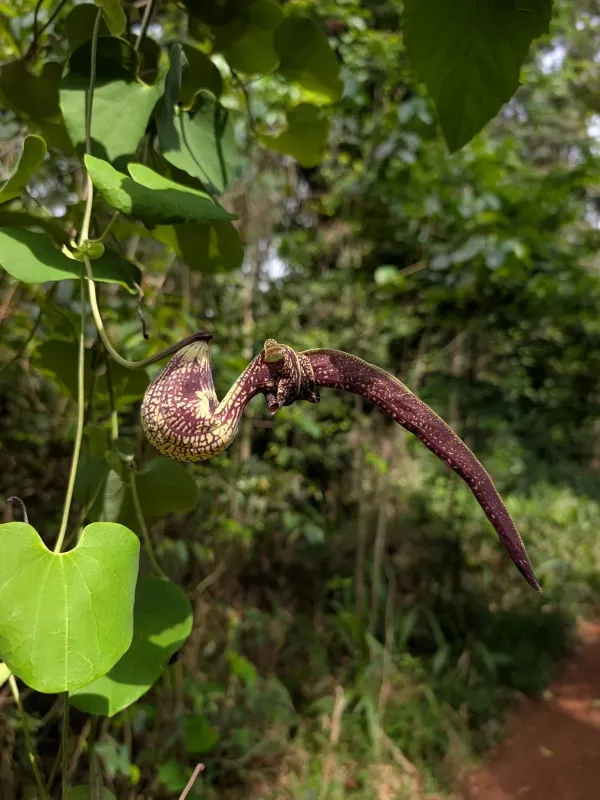
Aristolochia ringens is a robust perennial vine belonging to the Aristolochiaceae family. It is highly valued for its striking, large flowers that feature a unique shape resembling a wide-open mouth, often attracting specific pollinators in its native environment.
Originating from the tropical forests of Central and South America, this plant requires warm, humid conditions to thrive. In non-tropical regions, it is primarily cultivated in greenhouses or as a protected ornamental plant in indoor settings.
The plant thrives in well-draining, nutrient-rich soil with a slightly acidic to neutral pH. It is essential to ensure that the potting medium remains moist but never waterlogged, as the root system is highly susceptible to decay in saturated soil.
Light requirements for Aristolochia ringens include bright, indirect sunlight. While it needs significant light to produce its characteristic blooms, direct harsh sun exposure should be avoided to prevent foliar scorching and dehydration.
Agronomic management involves providing sturdy trellis systems to support the rapid upward growth of the vine. Consistent fertilization during the peak growth season helps sustain its heavy foliage and complex flower production.
Main diseases and pests
Root rot is the most significant threat to the health of the plant, typically resulting from over-irrigation or inadequate drainage systems. Preventive measures include allowing the top layer of soil to dry slightly before subsequent watering.
Powdery mildew can affect the leaves, particularly in poorly ventilated environments with high moisture levels. Enhancing air circulation around the vines is a critical preventative strategy against fungal outbreaks.
Spider mites are common pests that thrive in dry indoor air, frequently attacking the undersides of the leaves. Regular misting and the use of appropriate miticides are standard control methods for these infestations.
Aphids can colonize the soft tips of new growth, leading to stunted development and leaf curling. Monitoring and early intervention with insecticidal soaps help maintain the vigor of the plant during the growing season.
Maintaining high hygiene standards in the growing area is vital. This includes regular removal of dead leaves and sterilizing pruning tools to minimize the risk of pathogen transmission between specimens.