
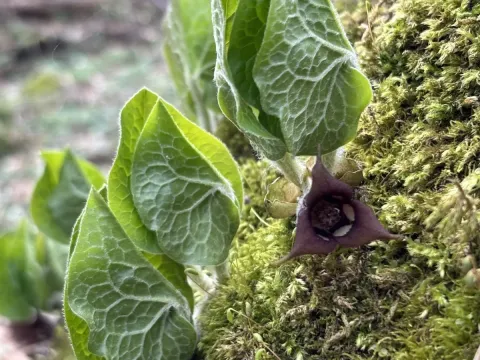
Canadian wild ginger
Asarum canadense
Canadian wild ginger (Asarum canadense) is a member of the Aristolochiaceae family, known for its creeping rhizomes and heart-shaped foliage.
What the section contains
Canadian wild ginger
The best time to plant this culture is early spring, which allows the root system to establish itself before the intense heat of the summer months.
Propagation is primarily achieved through rhizome division. Segments containing active growth buds should be spaced approximately 30 centimeters apart.
When sowing seeds, it is necessary to plant them fresh in the fall to allow for a period of cold stratification, which is essential for germination.
Successful establishment relies on consistent moisture levels during the initial weeks after planting to support new root growth.
Native to the woodlands of North America, this plant thrives in temperate climates where shade and humidity are abundant.
It requires a shaded or semi-shaded environment. Exposure to direct sunlight is generally detrimental and may cause leaf scorching.
The soil should be rich in organic matter, loose, and well-draining. The plant performs best in forest-like conditions with neutral to slightly acidic pH.
While the plant is hardy, it requires supplemental irrigation during extended periods of drought to maintain its lush appearance.
Mulching the surrounding soil with leaf mold or compost helps mimic the natural environment and retains the soil moisture required for optimal growth.
Canadian wild ginger is generally considered a low-maintenance and robust species with few serious pathological issues.
Slugs and snails are the most common pests, as they feed on the young leaves and can significantly impact the plant's aesthetic value in wet spring conditions.
Root rot caused by fungal pathogens can become an issue if the planting site lacks proper drainage and becomes waterlogged for prolonged periods.
Maintaining proper plant spacing encourages airflow, which helps reduce the risk of humidity-related diseases and pest infestations.
Regular monitoring for damage is advisable, and using non-toxic biological barriers is often sufficient to protect the health of the plant.