
Conopodium
Conopodium
Conopodium, specifically the well-known species Conopodium majus, commonly known as pignut, is a perennial herbaceous plant belonging to the Apiaceae family. It is valued for its edible, tuberous roots that possess a nutty flavor.
What the section contains


Conopodium
Originating from Western and Southern Europe, this crop is naturally adapted to temperate maritime climates. It thrives in regions with mild winters and consistent moisture, which supports the development of its underground tubers.
The plant requires well-drained, fertile soils with a neutral to slightly acidic pH. Avoiding soil compaction is critical, as the development of the tuber depends on the soil's ability to allow for unrestricted expansion beneath the surface.
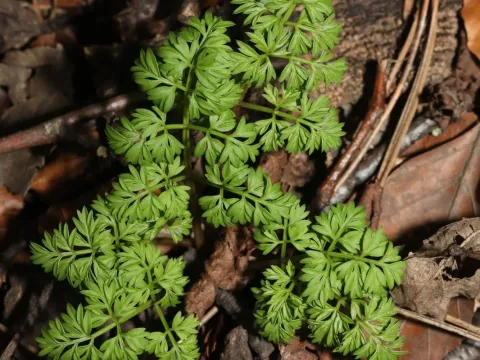
Botanically, the plant develops fine, feathery leaves and produces white flower umbels. The primary agricultural focus is the bulbous root, which serves as an energy storage organ, rich in carbohydrates and minerals.
In modern agriculture, Conopodium is considered a specialty crop. It is often cultivated in organic or small-scale farming systems, providing a unique product for culinary markets that seek traditional or wild-harvested vegetable varieties.
The main threat to Conopodium cultivation is fungal infection. Excessive soil moisture often leads to root rot, which can devastate an entire patch if drainage is not properly managed throughout the growing season.
Pests such as carrot rust fly larvae pose a significant threat. These larvae burrow into the tubers, causing extensive damage that renders the product unsuitable for market sale or consumption.
Weed management is a constant challenge for growers, as Conopodium exhibits slow initial growth. Competing vegetation can quickly overwhelm the small plants, depriving them of light and nutrients.
Wireworms are also known to cause damage by feeding on the root tissues. Implementing trap crops or healthy soil management practices is necessary to reduce the population of these pests.
Effective prevention strategies include crop rotation away from other Apiaceae members and ensuring the soil structure is friable enough to prevent water accumulation near the root zones.