
Conopodium thalictrifolium
Conopodium thalictrifolium
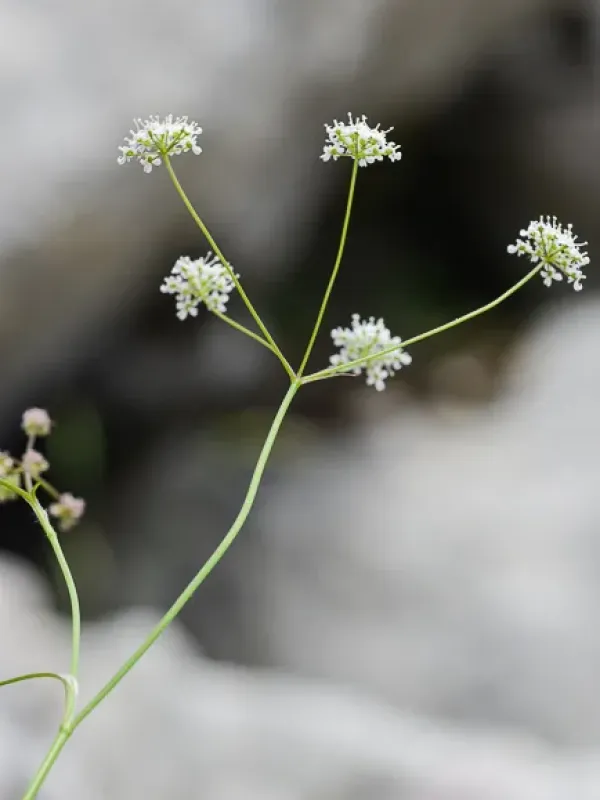
Description
Growing requirements
Conopodium thalictrifolium is a perennial herbaceous plant belonging to the Apiaceae family. It is known for its tuberous roots, which have historically been consumed for their nutritional value and distinctive flavor profile.
The plant thrives in temperate climates and is naturally found in forest margins or mountain meadows. It requires loose, nutrient-rich soil with excellent drainage to prevent the tuberous roots from rotting during dormant periods.
Regarding climate, it prefers regions with mild winters and moderate summers. Excessive heat or prolonged drought can lead to early senescence of the foliage, limiting the development of the root system.
Agricultural management should focus on maintaining consistent soil moisture. Since the plant has a relatively slow initial growth stage, weed control is essential to ensure it establishes successfully without competition.
In terms of usage, the tubers are typically harvested and cooked, valued for their texture and taste which often resembles chestnuts, making it an interesting niche crop for specialized markets.
Main diseases and pests
Soil-borne pests pose the most significant risk to Conopodium thalictrifolium. Specifically, wireworms can cause direct damage to the tubers, leading to significant yield losses or secondary infections.
Fungal pathogens such as soft rots and molds are frequent issues when the field is kept too wet. These diseases often attack the roots, especially during the off-season when the plant is inactive.
Leaf-feeding insects and pests that pierce the foliage can weaken the plant, reducing its ability to store energy in the tubers. Regular inspection is necessary to manage these outbreaks early.
Effective prevention strategies include crop rotation, ensuring the soil is well-aerated, and avoiding the use of contaminated manure or organic matter that might host soil pests.
Proactive management of drainage systems is the most effective way to minimize the incidence of root rot, keeping the subterranean parts of the plant healthy throughout the growing season.