
Conopodium majus
Conopodium majus
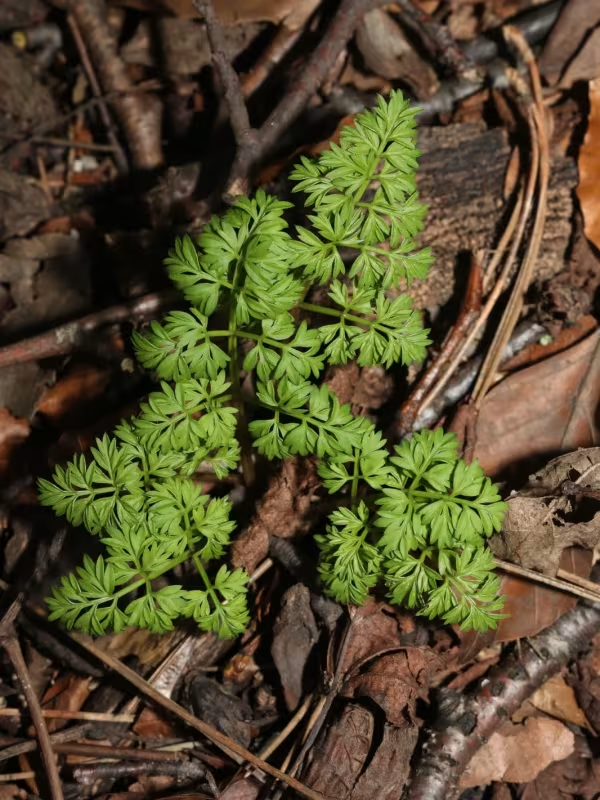
Description
Sowing dates
Conopodium majus, commonly known as the pignut or earthnut, is a perennial herbaceous plant belonging to the Apiaceae family. When cultivated, seeds are typically sown in autumn, as they require a period of natural stratification to ensure successful germination in the spring.
If opting for spring sowing, seeds should be pre-chilled to break dormancy. They should be planted at a depth of 1–2 cm in well-drained, loose soil, ensuring that the seedbed is free from major debris and competing vegetation.
Growth during the first year is notably slow, as the plant focuses its energy on developing a small leaf rosette and establishing its characteristic tuberous root system. Maintaining weed-free conditions is critical for seedling survival during these early stages.
A standard planting density involves spacing rows approximately 30–40 cm apart, with plants positioned 15 cm within the rows. This arrangement provides sufficient room for the tubers to develop fully and facilitates routine cultural practices.
Consistently moist soil conditions are essential during the germination phase. Once established, the seedlings exhibit better resilience, but proper irrigation management remains a key factor in achieving a productive and uniform crop.
Growing requirements
The pignut prefers fertile, loamy, or sandy soils with a neutral to slightly acidic pH. Avoiding waterlogged areas is essential, as the tubers are susceptible to rotting if the drainage is inadequate or if there is excessive moisture retention.
Thriving in cooler, temperate climates, Conopodium majus requires moderate temperatures to reach maturity. While it is hardy and can withstand low winter temperatures, adequate access to sunlight is necessary for the development of healthy, nutrient-dense tubers.
An optimal pH range for this crop is between 6.0 and 7.0. If the soil is overly acidic, performing a lime application several months before sowing will help stabilize conditions and support better root expansion.
Incorporating well-rotted organic compost into the soil prior to planting improves overall soil structure and fertility. Balanced mineral fertilizers, with a focus on phosphorus and potassium, can support tuber development without causing excessive vegetative growth.
Regular hoeing of the spaces between rows helps prevent soil crusting and inhibits weed growth. Mulching around the plants can also aid in retaining soil moisture during warmer, drier periods, which is vital for sustained tuber growth.
Yield
The yield potential of Conopodium majus typically reaches its peak during the third or fourth year of cultivation. During this period, the tuberous roots reach their maximum size and are most suitable for harvest.
On average, growers can expect an output of approximately 1–1.5 kg of harvestable tubers per square meter. The quality and flavor of the crop are highly valued, offering a nutty, chestnut-like taste that makes it an excellent specialty vegetable.
To maximize the size of the tubers, it is advised to remove flower stalks as they emerge. By preventing the plant from focusing energy on seed production, more resources are redirected into the storage organs located underground.
Monitoring the plant's development is crucial, as the tubers can remain in the soil for a limited time before quality begins to decline. Regular inspection helps determine the precise moment for harvesting to ensure the best possible flavor profile.
Post-harvest care involves gently cleaning the tubers and drying them in a shaded, well-ventilated location. This process helps reduce the risk of microbial development and ensures a longer shelf life for the collected tubers.
Main diseases and pests
Conopodium majus is generally robust, but high-density plantings may be susceptible to powdery mildew. Ensuring adequate airflow between plants is the most effective preventative measure against this fungal issue.
Soil-dwelling pests, particularly wireworms and larvae of the chafer beetle, represent the most significant threat to the tubers. These pests can damage the roots, compromising both the marketability and the overall health of the crop.
Excessive soil moisture is a primary contributor to root rot diseases. Implementing good drainage and adhering to a strict crop rotation schedule helps reduce the accumulation of soil-borne pathogens and keeps the planting area healthy.
Slugs and snails can cause damage to young foliage during the early growing season. Using physical barriers or environmentally friendly baiting methods can effectively protect the plants from these common garden pests.
Should fungal infections appear on the leaves, prompt removal of the affected foliage is recommended to contain the spread. The use of fungicides should be considered only as a last resort and must strictly follow local food safety regulations.
Harvesting
Harvesting usually takes place in autumn, as the plant's top growth begins to die back and yellow. This natural process signals that the plant has stored maximum nutrients in its tubers, making it the ideal time for collection.
Tubers are best retrieved from the soil using a garden fork, taking care to avoid mechanical damage. Since the tubers are relatively delicate, careful extraction is essential to prevent wounds that could lead to rot during storage.
After collection, the tubers should be sorted by size and quality. Healthy, well-formed tubers are selected for consumption, while smaller or slightly damaged ones can be set aside for replanting to sustain the cycle of cultivation.
Storage requires a cool, dry environment. Placing the tubers in boxes filled with slightly moist sand can help maintain their turgidity and prevent them from drying out, allowing them to be stored for several months throughout the winter.
The culinary versatility of pignut tubers makes them highly sought after by those who appreciate organic, gourmet ingredients. They can be prepared in various ways, including boiling or roasting, and are a distinct addition to any high-quality culinary menu.