


Reference · Crops
Cow parsnip
Heracleum
The sowing of cow parsnip is typically performed in late autumn to ensure that the seeds undergo the necessary stratification period during the winter. This natural process is essential for achieving a uniform and high rate of germination in the spring.
4
items
What the section contains
Marketplace
Products in this section · 2

Cow parsnip
Spring sowing is possible but requires artificial stratification, where seeds are kept in a cold, moist environment for several months prior to planting. This simulates the winter conditions required for successful seedling emergence.
Seeds are sown at a depth of 2 to 4 centimeters in well-prepared soil. Proper spacing, typically 60 to 70 centimeters between rows, is crucial for early growth and to allow for mechanized weeding during the establishment phase.
The seeding rate ranges between 10 and 15 kilograms per hectare depending on the seed quality and soil fertility. It is important to ensure the seedbed is clean of aggressive weeds to provide the young plants with minimal competition.
Once established, the seedlings demonstrate strong growth vigor, quickly developing deep taproots that allow the plant to thrive even in challenging agricultural environments.
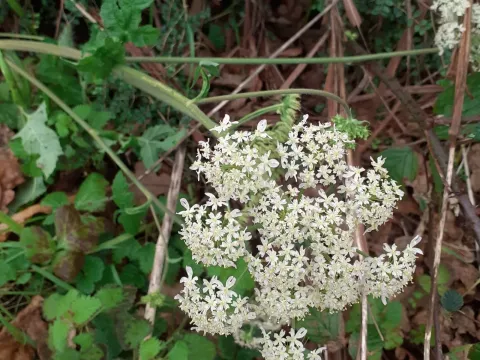
Cow parsnip, belonging to the Apiaceae family, is a remarkably adaptable and robust plant. It flourishes in various climatic conditions, showing excellent cold hardiness, which allows it to survive severe winters without significant damage to the root system.
The crop prefers fertile, loamy, or sandy-loam soils that offer good drainage. While it is adaptable to different pH levels, consistent moisture availability is a key factor in maximizing the biomass production of the plant.
Sunlight is a major driver of growth, especially during the rosette stage. Although the plant can tolerate partial shade, it reaches its full production potential in open, sunny fields where light penetration is unrestricted.
Agronomic management requires balanced fertilization, with a focus on nitrogen to support the rapid development of foliage. Regular soil testing helps in adjusting nutrient levels to keep the plants productive across multiple growing seasons.
Because of its rapid growth, the crop can successfully outcompete other flora. Farmers should prioritize keeping the field clean during the early stages to prevent the spread of invasive weeds alongside the target crop.
Historically, cow parsnip has been valued as a highly productive forage crop. Under optimal management, it can generate yields ranging from 1000 to 2000 decitonne per hectare of green biomass, making it a viable source of winter feed.
The nutritional profile of the biomass, rich in sugars and proteins, makes it an excellent candidate for silage production. When harvested at the right time, it provides a highly palatable feed for cattle and other livestock.
The yield is heavily dependent on the management practices, including timely fertilization and irrigation during dry spells. Intensively managed fields can support two cuttings per season, significantly increasing the total annual output.
It is important to monitor the stage of development closely, as nutritional density can fluctuate depending on the maturity of the stems and leaves during the harvest window.
Sustainable production models for this crop require an understanding of its reproductive cycle to ensure that the high yield does not lead to an unwanted spread in the surrounding landscape.
Cow parsnip crops can be affected by various fungal diseases, with powdery mildew being the most common, especially in humid and warm conditions. This pathogen attacks the leaves, significantly reducing the photosynthetic capacity of the plants.
Insect pests, such as the parsnip webworm, pose a threat by feeding on the umbels and seeds. This is particularly problematic in fields managed for seed production, where infestation can lead to a drastic reduction in yield quality.
Aphid populations can colonize young shoots, extracting sap and weakening the plants, which makes them more susceptible to secondary infections. Early detection and targeted treatment are necessary to mitigate these issues.
A structured approach to crop protection, including the use of authorized pesticides and good cultural practices like field sanitation, helps in maintaining healthy stands of the plant.
Preventive measures include the destruction of heavily infected plants to stop the cycle of pests and diseases from one growing season to the next, ensuring the long-term health of the plantation.
Harvesting should ideally begin at the onset of the flowering stage, as this is when the nutrient content in the plant's foliage is at its peak. Delaying the harvest leads to lignification of the stems, which decreases the feed quality.
Agricultural machinery equipped with heavy-duty choppers is used to harvest the biomass. The chopped material is then compacted into silos to facilitate the anaerobic fermentation process required for silage production.
Proper compaction and sealing of the silage mass are vital to exclude air, which prevents spoilage and ensures the longevity of the forage as a winter feed source for farm animals.
Safety is paramount during harvest due to the photosensitizing properties of the plant's sap. Personnel must wear protective gear to prevent skin exposure to the juices, which can cause severe reactions when exposed to sunlight.
After the final cut, fields should be cleared of debris to ensure that no seeds remain on the ground, which is essential to prevent uncontrolled germination and the spread of the plant.