
Conopodium marianum
Conopodium marianum
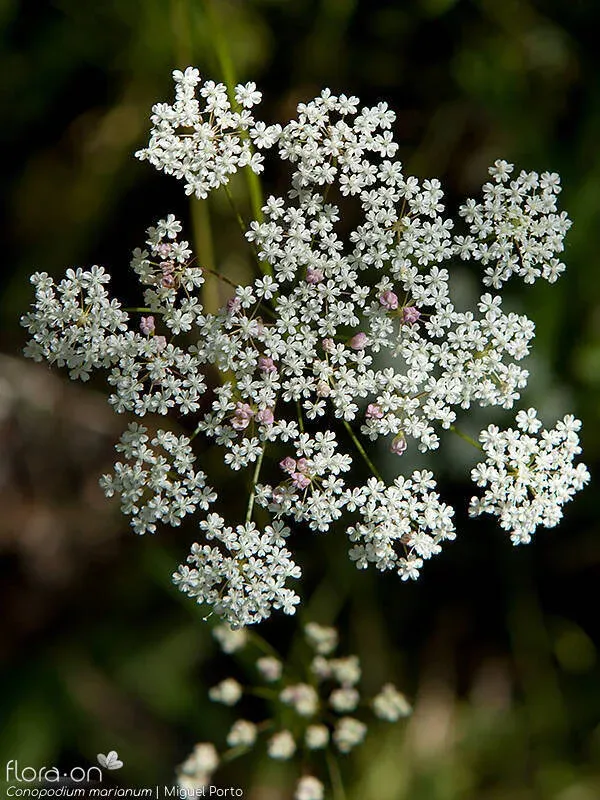
Description
Sowing dates
Sowing of Conopodium marianum should be conducted in late autumn or early spring after the seeds have undergone a cold stratification period. Because these seeds possess a slow germination rate, autumn sowing allows for the natural environmental cues to prepare the embryo for spring growth.
When sowing in the spring, it is essential to maintain row spacing of approximately 30-40 centimeters to ensure adequate space for root development. The seeds should be planted at a shallow depth of 1-2 centimeters to allow for optimal soil contact while still enabling the seedlings to emerge easily.
Selecting an appropriate site is crucial, with well-drained, light sandy or loamy soils being the most suitable. The plot must be kept free of perennial weeds, as the young seedlings of Conopodium are notoriously poor competitors during their early growth stages.
Professional growers often utilize seed priming or pre-soaking in growth stimulants to improve overall emergence rates. Once seedlings appear, maintaining consistent soil moisture is vital to prevent the delicate young root system from drying out before it has fully established.
Using row covers or horticultural fleece during the first few weeks can significantly assist in creating a stable microclimate. Once established, the plants show remarkable resilience to temperature fluctuations and require minimal intervention throughout the rest of the growing season.
Growing requirements
Conopodium marianum, a member of the Apiaceae family, is a perennial plant known for its edible tuberous roots. It thrives best in temperate climates and prefers locations that offer protection from extreme midday heat and direct, harsh sunlight.
The plant requires soils with excellent aeration, as the tubers are highly susceptible to rot in oxygen-depleted environments. If the soil is heavy or prone to waterlogging, it is recommended to incorporate organic soil conditioners like well-matured compost to improve structural drainage.
The optimal pH range for this crop is between 6.0 and 7.0. It is important to avoid excessive nitrogen fertilization, as this encourages vegetative growth at the expense of tuber development; instead, growers should focus on phosphorus and potassium to support underground growth.
Irrigation should be managed carefully, especially after the flowering phase, when the demand for water decreases significantly. Over-watering can easily lead to fungal infections and tuber rot, so a balance must be maintained to keep the soil moist but never waterlogged.
Routine cultivation involves light weeding and hoeing between rows to improve soil aeration and prevent moisture loss. Keeping the bed free of competing weeds is essential throughout the season to ensure that the plants direct all their energy toward forming healthy, marketable tubers.
Yield
The yield of Conopodium marianum is heavily influenced by soil fertility and the specific growing conditions of the season. The primary goal is the harvest of the tubers, which are valued for their distinct nutty flavor and dense nutrient profile.
Under optimal agronomic management and correct plant spacing, yields can range from 5 to 8 tons per hectare. Providing each plant with adequate space is key to ensuring that the energy produced during photosynthesis is effectively translocated to the expanding tuber.
As a crop that often completes its main development cycle over two years, proper planning of the crop rotation schedule is necessary. Mulching with organic matter can help stabilize ground temperatures, which has been shown to improve both the size and the quality of the harvested produce.
The genetic potential of the selected cultivar plays a major role in final yield outcomes. Growers are encouraged to source high-quality planting material and adhere to timely planting schedules to maximize the biomass accumulation of the tubers before the end of the season.
Reducing irrigation toward the end of the season encourages the tubers to reach maturity and increases their concentration of storage carbohydrates. This practice not only improves yield performance but also enhances the long-term storability of the final product.
Main diseases and pests
Fungal infections, such as root rot, represent the most significant threat to Conopodium marianum, especially in seasons with high rainfall. Strict adherence to crop rotation, ensuring the crop is not planted in the same soil for at least 4-5 years, is the best preventive measure.
Soil-dwelling pests like wireworms can cause substantial damage to the tubers, often creating wounds that become entry points for secondary pathogens. Using integrated pest management strategies, such as proper soil preparation and crop rotation, helps mitigate the risk of severe infestations.
Aphids may infest the foliage during the early stages of the growing season, potentially weakening the plant and spreading viral diseases. Regular monitoring and the application of bio-insecticides when necessary can keep populations under control without contaminating the final produce.
Nematodes can also pose a challenge for members of the Apiaceae family. Maintaining healthy soil biology and using pathogen-free seeds are fundamental strategies for keeping these microscopic pests from establishing themselves in the field.
Slugs can be particularly destructive to young seedlings during periods of wet spring weather. Mechanical barriers, such as sand or wood ash around the perimeter of the crop, are highly effective methods for controlling slug movement in small-scale or sustainable operations.
Harvesting
Harvesting of Conopodium marianum is typically performed in the autumn, once the foliage has withered and died back naturally. This senescence is the primary indicator that the tubers have reached their peak maturity and have finished accumulating their nutritional reserves.
Garden forks or mechanical diggers should be used to carefully extract the tubers from the soil, minimizing the risk of cuts or bruising. Damaged tubers are highly susceptible to decay, so gentle handling during the extraction process is vital to preserve the quality of the harvest.
After harvest, the tubers should be cleaned of excess soil and allowed to dry in a shaded, well-ventilated area for several days. Protection from direct sunlight is essential, as prolonged exposure can lead to rapid dehydration and loss of textural quality.
For long-term storage, the tubers should be kept in a cool, humid environment at temperatures between 0°C and 4°C. Storing them in dampened sand or perforated containers helps maintain the necessary humidity levels, preventing the tubers from shriveling throughout the winter months.
In the culinary sector, the tubers are prized for their nutty flavor and are used as a versatile starch source. As consumer interest in functional foods grows, Conopodium marianum presents a unique opportunity for farms to diversify their offerings with high-value specialty crops.