
Antenoron
Antenoron
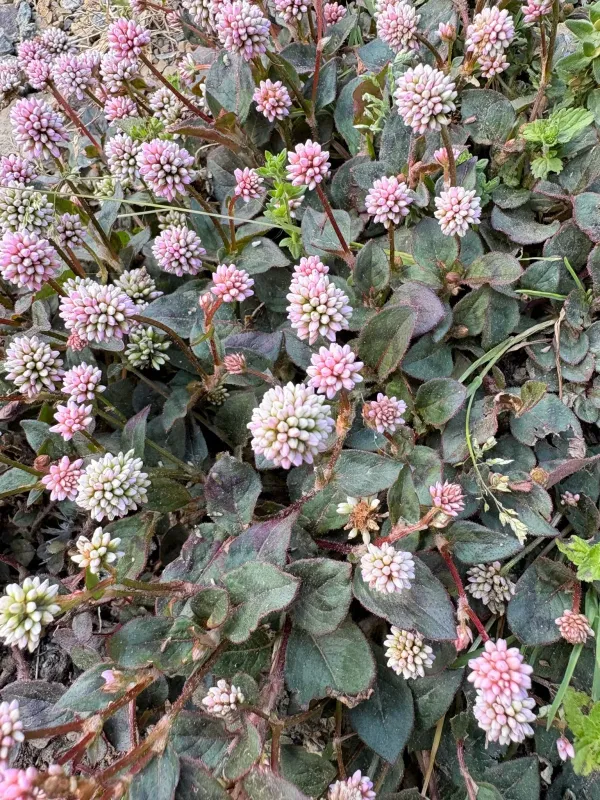
Description
Sowing dates
Sowing of Antenoron is ideally conducted in the spring season when soil temperatures reach 10–12°C, ensuring robust and uniform germination.
The seeds should be planted in rows with spacing of 30 to 45 centimeters to provide adequate room for the crop to branch and develop.
Depth of sowing typically ranges from 2 to 3 centimeters, depending heavily on the soil texture and moisture content at the time of field operations.
Pre-sowing seed treatment, including cleaning and grading, is essential to maximize the percentage of viable seedlings emerging in the field.
In regions with mild winters, autumn sowing may be explored, though careful management is required to prevent early germination before frost arrives.
Growing requirements
Antenoron belongs to the Polygonaceae family, which dictates a high requirement for consistent soil moisture throughout the vegetative stage.
The plant thrives best in fertile loamy or sandy-loam soils that have a neutral to slightly acidic pH, supporting deep and healthy root development.
As a light-loving species, Antenoron requires open, sunny locations to achieve optimal photosynthesis and growth throughout its development cycle.
Moderate temperatures are ideal for this crop, as prolonged exposure to extreme heat can stress the plant and slow down its metabolic activities.
Effective weed control during the early stages of growth is vital, as the crop is initially sensitive to competition for nutrients and space.
Yield
The yield of green biomass depends heavily on effective crop management, adequate fertilization, and consistent irrigation during the growing season.
With intensive cultivation practices, Antenoron can produce a significant volume of biomass, which serves as a valuable resource for farm operations.
Seed production yields are influenced by weather conditions during the flowering phase, as successful pollination requires stable humidity levels.
Applying balanced nitrogen and phosphorus fertilizers can significantly boost plant vigor and contribute to a higher final biomass output.
Continuous monitoring of the field allows for timely interventions, ensuring that the crop reaches its maximum yield potential by harvest time.
Main diseases and pests
Typical plant health issues for Antenoron include various leaf spot diseases that tend to flourish in conditions of high air humidity and poor ventilation.
Pests such as aphids and true bugs may target young shoots, potentially reducing the overall vitality and growth rate of the plant population.
Root rot is a major concern when the crop is planted in heavy, waterlogged soils that lack proper drainage, often leading to rapid decline.
Maintaining a strict crop rotation schedule is the most effective preventative measure against the buildup of soil-borne pathogens and pests.
Integrated pest management, including the use of biological control agents, is recommended to protect the crop while maintaining sustainable farming practices.
Harvesting
The harvest of green biomass should occur during the peak flowering phase to ensure the plant contains the highest concentration of nutrients.
For seed collection, it is necessary to wait until full maturity is reached, identified by the distinct darkening and firm texture of the fruits.
Mechanical harvesting equipment must be calibrated precisely to prevent seed shattering and minimize losses during the cutting of the plant stems.
Immediately after harvest, the raw material must be dried in a well-ventilated area to prevent fungal growth and preserve the quality of the product.
Proper storage conditions in dry, cool environments ensure that the harvested material retains its value for feeding or subsequent seed processing.