
Conopodium arvense
Conopodium arvense
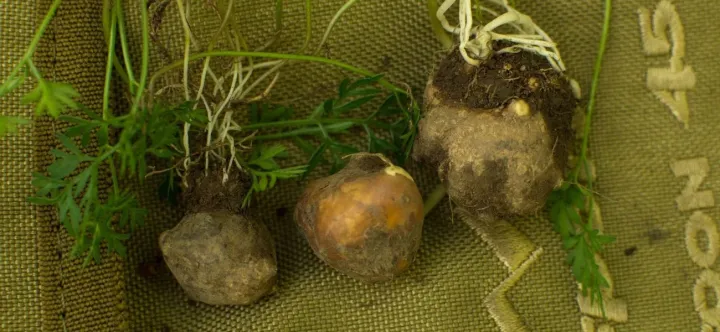
Description
Sowing dates
Conopodium arvense is a perennial herbaceous plant belonging to the Apiaceae family, prized for its tuberous roots. Successful cultivation starts with high-quality seed selection and careful preparation of the planting site, as the germination process is highly dependent on consistent soil temperature.
The optimal sowing time is early spring, once the soil has warmed up to at least 10 degrees Celsius. In regions with milder climates, late autumn sowing is also practiced to allow for natural stratification, which helps break seed dormancy and leads to more uniform germination.
Seeds should be sown at a shallow depth of 1 to 2 centimeters. Proper spacing between rows, typically around 40 centimeters, is crucial to allow for mechanical weeding and to ensure that each plant has enough room to develop its characteristic tuberous root system without overcrowding.
Moisture management during the sowing phase is vital. The seedbed must be kept consistently moist but not waterlogged to prevent the seeds from rotting before they can establish their primary root structure. A light layer of organic mulch can help retain moisture in the topsoil.
During the first year, growth is relatively slow as the plant focuses on developing its subterranean structures. Patience is required, as the full potential of the crop is usually realized in the second and third years of growth, providing a steady and reliable yield if conditions remain stable.
Growing requirements
This crop thrives in well-drained, sandy loam soils with a neutral or slightly acidic pH balance. Poor drainage is the most significant limiting factor, as it inevitably leads to root rot and low yield quality, making site selection the most important decision for a grower.
Conopodium arvense requires full sunlight to maximize biomass production. While the plant can tolerate partial shade, insufficient light levels will result in weak vegetative growth and smaller, less dense tuber formation, which ultimately decreases the commercial value of the final harvest.
The climate requirements for this plant are typical of temperate regions. It is highly resilient to cold and frost during its dormancy period. However, protection from harsh, drying winds is recommended to preserve soil moisture and prevent physical damage to the leaves during the active season.
Nutrient management should focus on potash and phosphorus, which are essential for root development. Excessive nitrogen fertilization should be avoided, as it encourages excessive foliage growth at the expense of root tuber quality, leading to a poorer harvest density.
Consistent water availability is necessary throughout the growing cycle, especially during the period of tuber enlargement. Supplemental irrigation should be provided in dry spells, ensuring the soil remains moist without creating puddles, which could negatively impact the plant's physiological health.
Main diseases and pests
Fungal pathogens such as root rot and powdery mildew represent the primary threats to the health of the crop. These are most prevalent in areas with high humidity or poor airflow; therefore, maintaining proper spacing between rows is a crucial preventive agronomic strategy.
Soil-dwelling pests, particularly wireworms, can inflict significant damage on the tubers. Implementing a rigorous crop rotation strategy is the most effective way to manage these populations, as it breaks the life cycle of the pests and prevents their build-up in the field.
Insects like aphids can cause stress and act as vectors for various viral diseases. Regular monitoring of the foliage is recommended to catch infestations early, allowing for targeted and minimal use of pest control measures, which helps maintain the organic integrity of the crop.
Weed control is essential, particularly in the first year when the plant is establishing itself. Mechanical weeding should be performed carefully to avoid disturbing the root systems near the surface, as this can stunt growth and introduce opportunistic pathogens through root wounds.
Overall, maintaining a clean field and following a strict rotational program will minimize the pressure from pests and diseases. Providing the plant with the right environmental conditions remains the best defense against threats, ensuring the crop remains robust and productive throughout the season.