
Cortia
Cortia
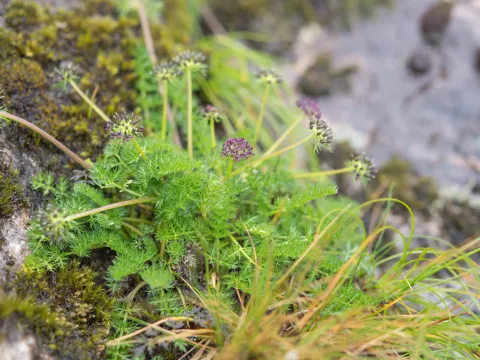
The genus Cortia belongs to the Apiaceae family, commonly known as the carrot or parsley family. These perennial plants are highly specialized for high-altitude environments.
What the section contains

Cortia
Native to the mountain ranges of Central Asia and the Himalayas, Cortia species are adapted to stony, nutrient-poor substrates. They thrive in regions with intense solar radiation and high diurnal temperature ranges.
Successful cultivation requires mimicry of their natural mountain habitat. Well-draining, loose soil is the most critical factor to prevent root rotting and ensure proper plant development.
Climate requirements include cool summer temperatures and a significant dormant winter phase. These plants are sensitive to heat stress and excessive humidity, which can be detrimental to their growth cycles.
Regarding хозяйственное usage, these plants are historically significant for their aromatic properties. They contain secondary metabolites that are often investigated for therapeutic and culinary potential.
Fungal pathogens represent the most significant threat to Cortia crops. They are particularly active during periods of high soil moisture and inadequate ventilation.
Pests such as root-boring larvae and aphids can cause damage during the vegetative stage. Effective management relies on keeping the area free of weeds and ensuring adequate spacing.
Root rot is a major physiological challenge. Preventing it requires strict irrigation control, as the plants prefer a dry, well-aerated root zone over constant moisture.
In terms of integrated pest management, cultural practices are preferred over chemical applications to maintain the quality of the raw material.
Monitoring for foliar spots or yellowing is essential, as these symptoms are often the first signs of root-related stress or pathogen infiltration.