
Conopodium capillifolium
Conopodium capillifolium
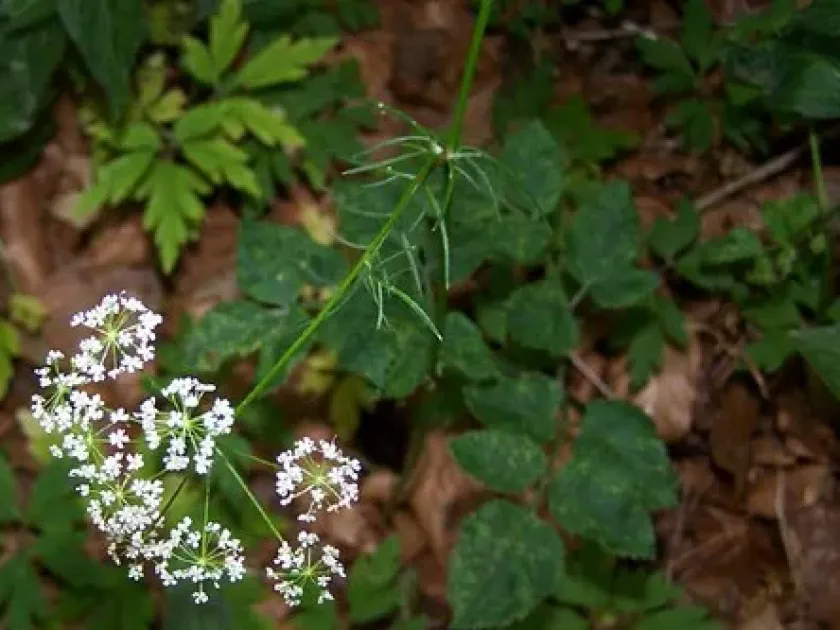
Description
Sowing dates
Sowing Conopodium capillifolium is typically performed in early spring once the soil temperature is consistently above 10°C. Seeds often require a period of stratification to break dormancy, making autumn sowing a viable option for natural vernalization.
The seeds should be planted at a shallow depth of 1–2 centimeters. Maintaining consistent soil moisture is crucial during the initial germination phase to ensure a high success rate of seedling emergence.
Standard spacing for this crop involves row intervals of 30 to 40 centimeters. This arrangement allows for sufficient development of the foliage and facilitates mechanical weeding operations during the early growth season.
Seedlings develop relatively slowly, so keeping the seedbed free of weeds is essential for successful establishment. Early competition from invasive grasses or broadleaf weeds can significantly reduce plant vigor.
Selection of the most robust plants during the first year is recommended if the primary goal is seed production for future cycles, allowing them to complete their full life cycle.
Growing requirements
Conopodium capillifolium belongs to the Apiaceae family and thrives in fertile, well-drained loamy soils. It is highly intolerant of waterlogged conditions, which can cause rapid tuber decay.
The crop prefers locations with good light exposure, although it is capable of tolerating partial shade. This adaptability makes it suitable for various agricultural environments, including orchards.
Soil pH should ideally be neutral or slightly acidic. If the soil is excessively acidic, an application of lime is recommended to optimize nutrient availability, especially for root development.
Organic matter enrichment is highly beneficial. Incorporating well-rotted compost or manure prior to planting provides a steady supply of nutrients and improves the physical structure of the soil.
Regular monitoring of irrigation is vital, as the crop requires consistent moisture during the active vegetative stage to support the sizing of the underground tubers.
Yield
The main commercial value of Conopodium capillifolium lies in its edible, starch-rich tubers. These tubers are valued for their distinct flavor profile, which often resembles that of chestnuts.
Yields are highly dependent on soil fertility and the management of plant density. Under optimal conditions, the plant is capable of producing a consistent quantity of tubers suitable for high-end markets.
In addition to tubers, the foliage and flowers can sometimes be utilized for their aromatic qualities. The plant contains essential oils that offer potential for secondary processing in the flavor or medicinal industries.
Maximized yields are usually achieved in the second or third year of growth, as the root system takes time to store sufficient reserves for high-quality tuber formation.
Proper nutrient management, focusing on phosphorus and potassium, encourages the accumulation of carbohydrates in the tubers, directly impacting the final weight of the harvest.
Main diseases and pests
Fungal pathogens represent the most significant threat to the cultivation of this species, particularly in wet or poorly aerated soils. Root rot pathogens can spread rapidly, leading to complete crop failure.
Soil-borne pests such as wireworms are known to target the tubers. These pests create physical damage that not only reduces the commercial appeal but also serves as an entry point for secondary infections.
Nematode infestations can also inhibit root development. Implementing a rigorous crop rotation plan is the best preventive measure to reduce pest pressure in the field.
Foliage can be susceptible to aphids and specialized larvae of Apiaceae-feeding insects. Biological control agents or targeted organic sprays should be used if threshold levels are exceeded.
- Strict adherence to crop rotation cycles
- Improving soil drainage through raised beds
- Removal and destruction of infected plant matter
- Use of certified pathogen-free seeds
Harvesting
Harvesting should take place once the foliage has turned yellow and withered. This process signals that the plant has ceased active growth and transferred maximum energy to the tubers.
Gentle manual excavation is preferred to avoid slicing or bruising the tubers, as mechanical damage leads to reduced storage life and higher risk of decay during the post-harvest period.
Post-harvest cleaning involves removing excess soil, but the tubers should not be washed unless intended for immediate use. Keeping the skin dry is essential to preventing storage diseases.
Curing the tubers in a cool, shaded, and well-ventilated area for several days allows the skin to toughen, which significantly enhances the storage durability of the produce.
For long-term storage, tubers should be kept in a cool, dark room at a stable temperature. Storage in dry sand or specialized ventilated bins helps maintain freshness for several months.