
Earthnut
Conopodium subcarneum
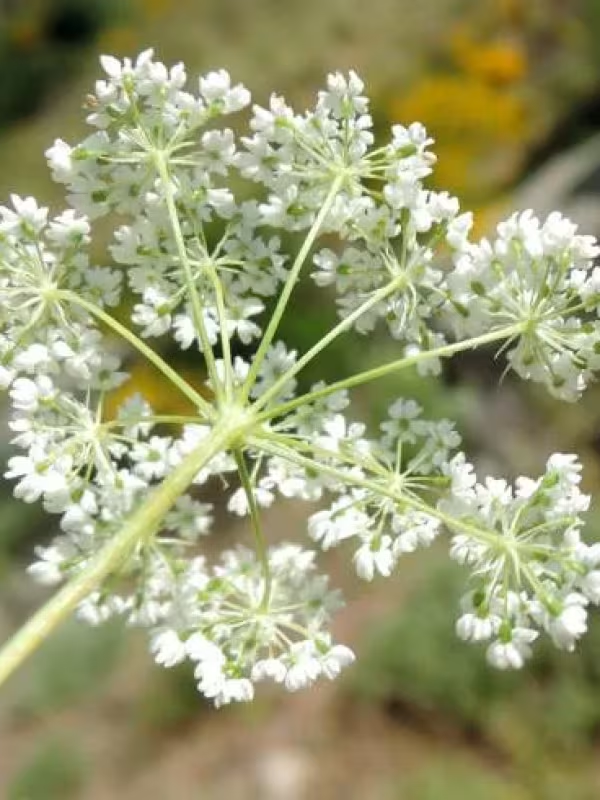
Description
Sowing dates
Conopodium subcarneum is a perennial plant member of the Apiaceae family, native to Mediterranean regions. Known for its edible, tuberous roots, this plant requires specific environmental conditions to thrive. In agricultural settings, it is often treated as a specialty crop, requiring careful selection of the sowing site to mimic its native habitat conditions.
Sowing should be performed in well-prepared soil during the late autumn to ensure natural cold stratification of the seeds. This process is essential for breaking seed dormancy and ensuring successful germination in the following spring. Seeds should be placed at a depth of 1-2 cm, ensuring a uniform distribution across the rows to facilitate future maintenance.
Growing requirements
The plant performs best in light, well-drained loamy soils with a near-neutral pH balance. It is highly sensitive to waterlogged conditions, which can lead to root rot; therefore, selecting fields with good elevation or implementing effective drainage systems is crucial. The species is relatively shade-tolerant but produces the best yields in regions with stable, moderate climate patterns.
Agronomic management involves regular weeding and aeration of the soil to prevent crusting, which can impede the development of the tuberous roots. Nitrogen-rich fertilizers should be applied with caution, as excessive application promotes foliage growth at the expense of root development. Regular monitoring for moisture levels is vital, especially during the peak of the growing season.
Harvesting
Harvesting is typically conducted at the end of the growth cycle when the above-ground foliage begins to wither. The tubers, which contain significant energy reserves, are carefully extracted from the soil to avoid mechanical damage. Post-harvest, they must be stored in cool, dry conditions to maintain their quality and nutritional value for market distribution.