


Reference · Crops
Chervil
Anthriscus Pers., nom. cons.
Chervil is a cool-season crop, allowing for sowing in early spring as soon as the soil warms up to about 5–8 degrees Celsius.
3
items
What the section contains
Marketplace
Products in this section · 7


Chervil
To ensure a continuous supply of fresh herbs, gardeners often practice successive sowing every 14 to 20 days throughout the growing season.
Seeds should be sown in open ground at a depth of 1–2 centimeters, maintaining row spacing of approximately 20–25 centimeters for proper aeration.
Late autumn sowing is also possible in many regions, which allows for an extra-early harvest as soon as the snow melts and temperatures rise.
Under optimal conditions, seedlings typically emerge within 10–14 days, at which point thinning is necessary to achieve the desired plant density.
The plant prefers moderately moist, fertile loamy or sandy soils with a neutral pH level, rich in organic matter for steady growth.
Chervil thrives best in partial shade, as direct, intense sunlight can cause the foliage to become coarse and trigger premature bolting.
This crop is highly moisture-sensitive; consistent watering is essential during dry spells to prevent the leaves from losing their flavor and texture.
The optimal temperature range for growth is 15–20 degrees Celsius; in excessive heat, chervil tends to flower quickly, reducing its market quality.
Soil structure should be loose and well-draining, so adding compost or aged manure to heavy soils is recommended to improve moisture retention.
The yield of chervil depends significantly on the growing environment and the timeliness of irrigation, especially during hot summer periods.
On average, one can expect to harvest up to 1.5–2 kilograms of high-quality foliage per square meter under good cultivation practices.
Peak productivity is observed during cooler periods when the plant focuses energy on vegetative growth rather than reproductive development.
Regular maintenance, including weeding and soil aeration between rows, is crucial to maximize the overall health and yield of the herb.
Selecting adapted varieties is a key strategy for commercial growers to increase production volume and extend the harvest window efficiently.
Powdery mildew is the primary threat to chervil, often triggered by temperature fluctuations and high humidity in poorly ventilated planting areas.
Pests such as aphids and spider mites can cause significant damage to young leaves, draining plant sap and impacting the overall crop quality.
Implementing a strict crop rotation schedule is vital to prevent soil-borne diseases, avoiding planting chervil after other Apiaceae family members.
Pest management should focus on biological control methods, given the short vegetative period between planting and the final harvest of the leaves.
Chemical pesticides should be avoided entirely to ensure the culinary safety of the greens, focusing instead on cultural and preventative measures.
Harvesting begins 40–50 days after seedling emergence, once the plants reach 15–20 centimeters in height and possess lush, well-developed leaves.
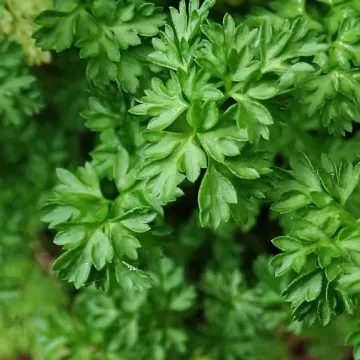
The harvest involves cutting the young, tender leaves which carry the most intense aroma, characterized by hints of parsley and anise.
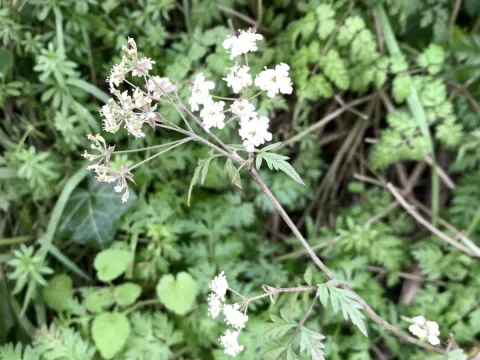
To prolong the harvesting season, it is essential to remove any emerging flower stalks immediately to encourage the plant to continue leaf production.
Freshly cut chervil wilts very quickly, so it is recommended to use it immediately or store it in the refrigerator inside a sealed container.
For long-term storage, leaves can be air-dried in the shade, although some essential oils may be lost, slightly reducing the delicate flavor profile.