
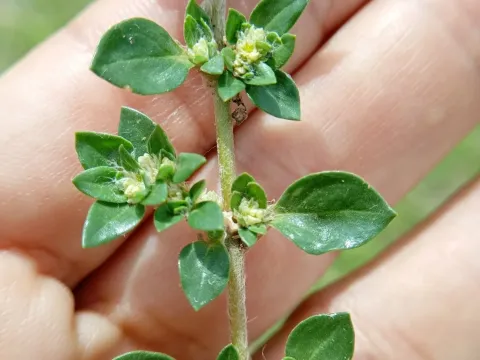
Guilleminea
Guilleminea
Guilleminea is a genus belonging to the Amaranthaceae family, commonly found in diverse tropical and subtropical environments. Sowing typically begins in the spring once soil temperatures reach 18–20 degrees Celsius, ensuring optimal germination rates.
What the section contains
Guilleminea
The seeds are small and require shallow planting, ideally at a depth of no more than one centimeter. Consistent moisture is crucial during the germination phase, as the seeds need a stable environment to successfully sprout within their two-to-three-week window.
When starting in greenhouses, it is recommended to use a sterile, well-draining substrate to prevent dampening-off. Proper spacing is essential, as the plants tend to develop a low-growing or mat-forming habit, which can lead to overcrowding if sown too densely.
Transplanting into the field should occur after the danger of frost has passed. Young seedlings must be handled carefully to avoid damaging their delicate taproots, which are vital for their later drought tolerance.
Establishment requires monitoring the moisture levels until the root systems are fully developed. Once established, these plants show significant resilience, making them suitable for areas with fluctuating water availability.
These plants thrive in full sunlight, which is necessary for compact growth and the synthesis of phytochemical compounds. Exposure to partial shade may lead to etiolated stems and a reduction in overall biomass production.
Soil requirements are relatively specific: they prefer loose, well-draining, and slightly alkaline to neutral soil types. Heavy, compacted, or waterlogged soils should be avoided as they inhibit root development and promote fungal pathogens.
Guilleminea is highly adapted to arid conditions. While it can survive long dry spells, providing supplemental water during the peak growing season will significantly improve the quality and quantity of the harvestable material.
Nutrient management focuses on moderate fertility. Over-fertilization, especially with nitrogen, should be avoided as it stimulates excessive vegetative growth at the expense of the root system development.
The plant performs best in regions with high diurnal temperatures. It is important to ensure the site is protected from harsh, cold winds that can damage the prostrate stems during the early stages of the growing season.
The most common disease risks for Guilleminea include powdery mildew and various leaf spot fungi, often triggered by prolonged humidity or poor airflow between plants. Proper spacing and ventilation are the best defenses against these issues.
Root rot represents a severe threat, usually caused by overwatering or poor drainage. Once root rot symptoms appear, such as wilting or base discoloration, the plant is often difficult to save and should be removed to prevent spread.
Pests such as spider mites and aphids frequently affect the crop during dry and hot spells. These insects weaken the plant by extracting sap, which in turn makes the plant more susceptible to secondary viral infections.
Monitoring the undersides of leaves is essential for early pest detection. Integrated pest management, including the introduction of natural predators or the use of neem-based oils, can effectively control populations without harming the plant.
Crop rotation and field sanitation are critical practices to reduce the buildup of soil-borne pathogens. Removing plant debris at the end of the harvest season helps maintain a clean environment for subsequent planting cycles.