
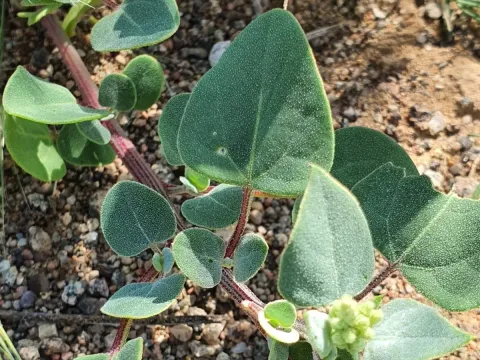
Chenopodium karoi
Chenopodium karoi
Sowing of Chenopodium karoi typically occurs in early spring once soil temperatures reach 5 to 8 degrees Celsius to ensure steady germination.
What the section contains
Chenopodium karoi
Seeds are sown at a shallow depth of 1 to 2 centimeters, which is optimal for the small size of the seeds to ensure proper emergence.
Field packing immediately after sowing is recommended to improve soil-to-seed contact and promote consistent moisture uptake in the seed zone.
To achieve uniform stands, mechanized precision seeders are used, set to maintain row spacings of 30 to 45 centimeters throughout the field.
Early spring planting allows the crop to establish a deep root system before the onset of potential summer drought periods, improving overall survival.
Chenopodium karoi belongs to the Amaranthaceae family and is highly adaptable to various soil types, though it thrives best in fertile loamy soils.
The crop requires full sun exposure for optimal photosynthesis and development, and it should be kept free from competition with shade-providing weeds.
It is characterized by excellent drought tolerance due to its robust root system, allowing it to extract water from deeper soil profiles efficiently.
The ideal temperature range for active growth is between 18 and 25 degrees Celsius, with the plant showing resilience to moderate diurnal fluctuations.
While the crop is hardy, soil nutrient management with balanced nitrogen and phosphorus levels significantly supports biomass accumulation and grain filling.
The yield potential of Chenopodium karoi typically ranges between 1.5 and 2.5 tonnes per hectare, depending on local climatic conditions and field management.
Optimal crop density and early-season weed control are the primary factors identified by agronomists as key to reaching the higher end of yield targets.
Harvest takes place when the panicles reach physiological maturity, characterized by a distinct color change and hardening of the grain.
Data from test plots indicate that the crop maintains stable yields across various years, confirming its potential as a reliable secondary crop for farmers.
The thousand-kernel weight is monitored during selection processes to improve future crop quality and overall field productivity metrics.
Common agricultural pests affecting Chenopodium species, such as the beet leaf miner and various weevils, can potentially damage the foliage of the crop.
Fungal diseases like downy mildew and powdery mildew may arise in humid conditions, requiring vigilant monitoring and possible fungicide applications.
Weed competition is the most significant threat in the early growth stages, necessitating mechanical inter-row cultivation or registered herbicidal control.
Crop rotation is essential for breaking the life cycles of soil-borne pathogens and pests that specifically target members of the Chenopodium genus.
- Monitoring for leaf damage during vegetative phases
- Ensuring proper field drainage to reduce fungal disease risk
- Implementing integrated pest management (IPM) strategies
Harvesting is usually carried out by direct combining, timing it for when the grain moisture content decreases to approximately 14 to 16 percent.
Operators must adjust threshing drum speed and concave clearance to prevent excessive damage to the seeds during the mechanical harvest process.
After harvesting, the seeds undergo cleaning to remove plant debris, followed by drying to meet the standard moisture requirements for safe storage.
Storage facilities should maintain low humidity and good ventilation to preserve seed quality and prevent the growth of storage molds or insect activity.
The grain is primarily utilized in the health food market, valued for its nutritional profile, including high protein content and essential amino acids.