
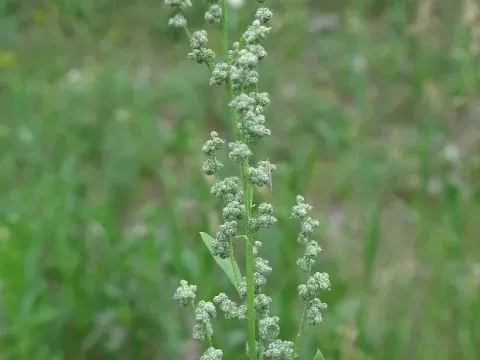
Chenopodium pseudomicrophyllum
Chenopodium pseudomicrophyllum
Chenopodium pseudomicrophyllum belongs to the Amaranthaceae family, a group of plants well-known for their adaptability. This annual herbaceous species is typically sown during early spring once soil temperatures reach 5 to 8 degrees Celsius, ensuring a steady start to the growing season.
What the section contains
Chenopodium pseudomicrophyllum
Seed depth should be kept shallow, between 1.5 and 2 centimeters, to promote quick and uniform germination. Providing the right moisture levels immediately after sowing is essential to ensure that the seedlings establish a strong root system during their initial development phase.
The crop performs best when rotated with cereal grains, as this helps break potential disease cycles and improves soil structure. Avoiding overcrowding is crucial; plants need adequate space for light penetration and air circulation to reach their maximum growth potential.
The total vegetation period ranges from 80 to 100 days, depending on the climatic conditions and accumulated temperature units. By planting early, farmers can maximize the utilization of stored soil moisture, which is vital for early development before the onset of hotter summer days.
Seeding rates usually range from 8 to 12 kilograms per hectare, depending on local soil characteristics and intended use. Utilizing high-purity, certified seeds is the foundation for an even stand, which simplifies subsequent field operations and improves overall harvest efficiency.
This crop is highly versatile, capable of thriving in various soil types, ranging from sandy loams to heavier clay soils. It shows remarkable tolerance to salinity, making it a viable candidate for cultivation on marginal lands where other crops might struggle to produce a profit.
Chenopodium pseudomicrophyllum is a light-demanding species that requires full sun to reach its full development. In shaded conditions, the plants tend to become spindly, and the accumulation of biomass and nutrients in the leaves is significantly reduced, affecting total yield.
While the plant is notably drought-tolerant due to its waxy leaf cuticle, it performs optimally with moderate moisture levels. Targeted irrigation during critical growth stages, such as the period preceding and during budding, can lead to substantial increases in green biomass production.
The plant exhibits excellent temperature tolerance, easily surviving the mild fluctuations common in spring and autumn. This resilience allows for a longer potential growing season, enabling farmers to plan their operations with more flexibility compared to highly sensitive heat-loving crops.
Proper soil management, including occasional inter-row cultivation, helps to maintain soil aeration and control weed competition. Nutrient management, particularly the application of nitrogenous fertilizers early in the season, is highly effective in boosting the vegetative output of this crop.
Like other members of the Amaranthaceae family, this crop can be susceptible to specific pests such as leaf miners. These insects tunnel through the foliage, potentially reducing the photosynthetic capacity of the plant and requiring timely monitoring to prevent significant damage.
Aphid infestations are a common concern on tender young shoots, where they extract plant sap and weaken the overall vitality of the crop. Integrated pest management strategies, including the use of biological controls or targeted insecticides, are recommended when populations exceed thresholds.
Fungal diseases like powdery mildew can appear in humid, low-ventilation environments. Ensuring that the planting density is appropriate and that the field is well-ventilated helps significantly in preventing the onset and spread of these common fungal infections.
Root rot remains a threat in fields with poor drainage or persistent waterlogging. Maintaining good soil structure and ensuring proper field drainage are essential cultural practices to protect the roots from anaerobic stress and secondary pathogen colonization.
Sustainable field management relies on a combination of crop rotation, vigilant monitoring, and timely intervention. By balancing these practices, farmers can maintain a healthy, productive crop while minimizing the need for heavy chemical applications throughout the vegetation period.