
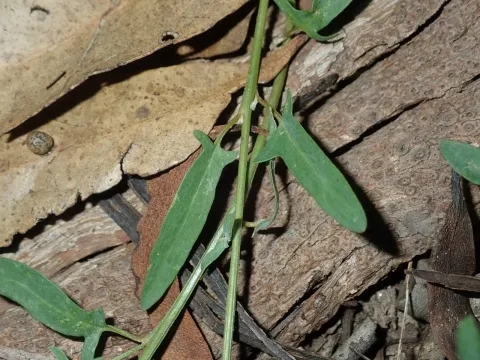
Chenopodium polygonoides
Chenopodium polygonoides
Sowing of Chenopodium polygonoides begins when soil temperatures consistently reach 10–12°C. Mid-spring is the optimal window, allowing the crop to utilize soil moisture effectively before the onset of summer heat.
What the section contains
Chenopodium polygonoides
Seed depth should be maintained at 1–2 centimeters, as shallow sowing ensures better emergence for these small seeds. Firming the soil after planting is essential to establish capillary contact for uniform germination.
Row spacing is tailored to the intended final use, ranging from close rows for high-density biomass production to wider intervals for seed propagation. Proper spacing minimizes competition and allows for easier mechanical maintenance.
The field must be free of perennial weeds before sowing to prevent early-stage growth suppression. Initial soil preparation involves shallow tillage to create a fine seedbed, improving the chances of a healthy plant population.
Uniformity in seeding rates is crucial for maximizing yield. Adjustments should be made based on local soil fertility and the specific climatic conditions of the growing season.
Chenopodium polygonoides exhibits high ecological plasticity, thriving in well-drained loamy to sandy soils. It shows notable tolerance for saline conditions, offering an advantage in challenging agricultural environments.
The crop is highly light-demanding, requiring full exposure to sunlight for optimal development. Shaded areas significantly impede growth and lead to reduced overall photosynthetic potential and biomass yield.
Water requirements are moderate, with the plant displaying good resilience to short-term drought periods. However, consistent moisture during the vegetative growth phase is required to reach the peak production potential.
Soil nutrient management focuses on nitrogen availability during the early stages, as this drives the rapid development of vegetative biomass. Balanced fertilization is key to preventing lodging and promoting strong stalk formation.
Waterlogging is detrimental to the root system, making proper field drainage essential. Maintaining an aerobic environment in the rhizosphere is critical to avoid root rot and other moisture-related pathologies.
Under favorable management, Chenopodium polygonoides can produce 20–30 metric tons of green biomass per hectare. Its high productivity levels make it an attractive candidate for forage and biomass rotation systems.
The peak biomass accumulation occurs between the late budding and early flowering phases. Harvesting at this optimal time ensures the highest concentration of crude protein and essential nutrients in the plant tissues.
Seed yields range between 0.8 and 1.2 metric tons per hectare, depending on local conditions and pollination success. As a wind-pollinated species, it requires dry and breezy weather conditions during the anthesis stage.
Consistent pest management and weed control significantly influence total harvest results. Integrated approaches often lead to a 15–20% increase in the marketable yield compared to non-managed plots.
Selecting improved cultivars can lead to greater stability in yield outcomes year-over-year. Strategic breeding efforts focus on enhancing stress tolerance and improving the overall nutritional profile of the harvested product.
Leaf beetles represent a primary threat to young seedlings, as they can rapidly defoliate the crop. Early monitoring and targeted insecticide applications are recommended if infestation levels exceed economic thresholds.
Powdery mildew is a common fungal challenge, especially in environments with high humidity fluctuations. Implementing crop rotation and ensuring sufficient plant spacing helps reduce the risk of widespread fungal outbreaks.
Root rot becomes a significant concern in compacted or poorly drained soils. Improving field aeration and utilizing certified, fungicide-treated seeds are effective preventative measures against these pathogens.
Aphids can cause damage to the apical shoots, particularly during hot and dry spells. Biological control methods or systemic soaps provide an effective way to manage these populations without excessive chemical use.
Weed competition is the most significant obstacle to crop vigor. Regular mechanical cultivation between rows helps clear the space for the crop to expand, effectively mitigating competition for water and nutrients.
For green mass, harvesting takes place at the early flowering stage before stalks become lignified. Modern forage harvesters are efficient at cutting and processing the biomass for silage production.
Seed harvest requires careful adjustment of combine settings to prevent mechanical damage to the small seeds. Harvesting should occur when the majority of inflorescences show signs of maturity and reduced moisture content.
Post-harvest cleaning is essential to remove chaff and debris, ensuring high-quality storage conditions. Drying the seeds down to a moisture level below 13% prevents fungal spoilage during the storage period.
Proper storage in well-ventilated, cool facilities maintains seed viability for subsequent planting seasons. Frequent checks on moisture and temperature are standard practices for long-term grain preservation.
Residual plant matter can be incorporated back into the soil as organic mulch. This practice aids in restoring soil structure and providing a slow release of nutrients for the following crop in the rotation.