
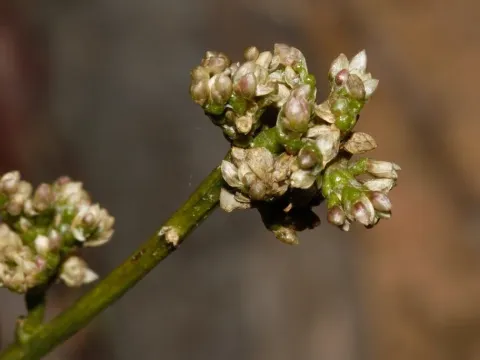
Celosia trigyna
Celosia trigyna
Celosia trigyna is an herbaceous plant belonging to the Amaranthaceae family, traditionally cultivated as a leafy vegetable in various African regions. Seeds should be sown directly into well-warmed soil after all danger of frost has passed.
What the section contains
Celosia trigyna
The ideal time for sowing occurs when average daily temperatures consistently exceed 20°C. Because the seeds are tiny, they should be covered with a thin layer of soil (1–2 cm) to ensure optimal germination.
In cooler climates, a transplanting method is recommended. Seeds can be started in trays or greenhouses 4–6 weeks before the final outdoor planting date to give the plants a head start.
Spacing is a crucial factor for success; adequate distance between rows ensures proper air circulation, which helps prevent the development of moisture-related fungal diseases.
Post-sowing irrigation must be gentle and consistent. The soil should remain moist but not waterlogged until the seedlings emerge, which typically happens within 10 to 14 days.
Celosia trigyna thrives in full sun, requiring exposure to direct light for robust stem development and lush foliage production. Shade leads to stunted growth and reduced leaf quality.
The soil should be fertile, well-drained, and have a neutral or slightly acidic pH level. In clay-heavy soils, it is essential to incorporate organic matter or sand to improve drainage and root aeration.
While the plant shows some resistance to occasional dry spells, consistent soil moisture is vital for producing succulent, high-quality leaves suitable for culinary use.
Regular weeding and soil loosening between rows are essential practices. This prevents the formation of a soil crust that inhibits root growth and water infiltration.
Organic fertilization is highly beneficial during the vegetative growth phase. Nitrogen-rich applications stimulate leaf production, which is the primary goal of growing this crop.
The primary agricultural value of Celosia trigyna lies in its edible leaves. These are often used as a cooked green vegetable, similar to spinach or amaranth, providing essential nutrients.
Total yield can be significantly increased through selective harvesting. By picking individual leaves, the plant is encouraged to continue producing new growth throughout the season.
Pruning the central leader or the tips of the main branches promotes bushier growth and increases the overall volume of harvestable foliage per individual plant.
Productivity is highly dependent on effective crop management and soil nutrient availability. In tropical environments, this crop is known for its ability to provide multiple harvests.
Management of the flowering stage is key to maintaining yield. Removing early flower buds directs the plant’s energy toward leaf production rather than seed formation.
Fungal diseases, such as root rot and leaf spots, are the most significant threats to Celosia trigyna. These are typically caused by poor soil drainage and stagnant air conditions.
Aphids are the most common pests, often clustering on young shoots and leaves. Their feeding activities deform the leaves and can lead to the transmission of viral diseases.
Spider mites may become problematic during hot and dry periods. They colonize the underside of leaves, causing discoloration and eventual tissue death if left unchecked.
Preventive measures such as crop rotation, keeping the planting area free of weeds, and ensuring proper airflow are the most effective ways to manage threats.
Biological pest control is strongly advised, especially since the leaves are intended for human consumption, minimizing the need for synthetic chemical insecticides.
Harvesting of the leaves typically begins 6 to 8 weeks after sowing, once the plant has achieved a sufficient size and developed abundant, succulent foliage.
Leaves are collected manually, focusing on the most developed ones at the lower or middle tiers of the plant to encourage the continued development of newer growth.
Harvesting is best performed during the cooler parts of the day, such as early morning. This helps the produce retain its moisture and maintain freshness after harvest.
After picking, the leaves should be handled with care and kept cool. Since they are delicate, they tend to wilt quickly when exposed to high temperatures.
When producing seeds, the flower heads should be left on the plant until they are fully dry. They can then be harvested and threshed to collect the small black seeds.