
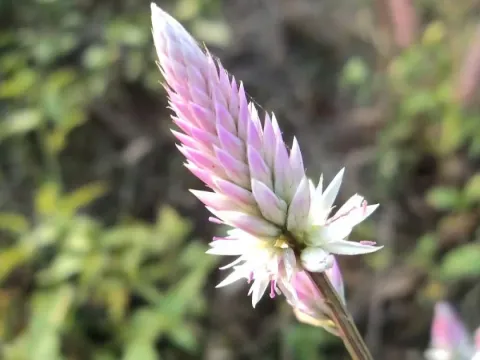
Celosia isertii
Celosia isertii
Celosia isertii is a thermophilic crop that requires consistently high temperatures for optimal seed germination. Sowing should take place in spring when soil temperatures reach 18–22 degrees Celsius.
What the section contains
Celosia isertii
In temperate climates, using a seedling method is recommended to ensure the plant has a sufficient growing season before the onset of autumn cold weather.
Seeds should be sown at a depth of no more than 0.5–1 cm, as they are small and require sufficient light exposure for successful activation and emergence.
When sowing directly into open ground, spacing plants 30–40 cm apart is essential to prevent overcrowding and ensure adequate airflow between individual specimens.
Pre-stratification is not required for these seeds; however, soaking them in growth stimulants can improve uniformity and accelerate seedling emergence within 7–10 days.
This species belongs to the Amaranthaceae family and prefers sunny locations protected from strong winds, as the stems can be susceptible to lodging if exposed.
The crop is demanding regarding soil fertility; it thrives best in light, well-drained loams with a neutral to slightly acidic pH level for optimal nutrient uptake.
Substrate moisture is critical—while Celosia does not tolerate waterlogging, it is extremely sensitive to prolonged dry spells during its active vegetative growth phase.
The plant shows high adaptability to intense solar radiation, which stimulates pigment synthesis and accelerates the accumulation of vegetative mass throughout the season.
In terms of agronomy, timely inter-row cultivation is vital to provide oxygen to the root system, which is critical for the development of a robust central stem.
The primary product of economic importance is the biomass of leaves and young shoots, which possess high nutritional value and are utilized as a green vegetable.
Yield of green mass depends directly on the frequency of irrigation and the application of nitrogen fertilizers, which stimulate branching and new shoot production.
Maximum productivity is achieved by harvesting leaves before the active flowering phase begins, as nutrient concentration in the greens is highest during the vegetative stage.
In favorable tropical climates, this crop can provide multiple cuts in a single season, making it economically attractive for small-scale and commercial farming operations.
Average yield per hectare varies based on soil management, but with intensive technology, production levels significantly exceed standard values for typical leafy greens.
Among the most common pests, aphids frequently target young apical shoots, sucking cell sap and leading to the deformation of the leaf blades if left uncontrolled.
Under conditions of high humidity and poor ventilation, the plants are susceptible to fungal diseases, including root rots and powdery mildew infections.
Spider mites can pose a significant threat during hot, dry weather, reproducing rapidly on the undersides of leaves and reducing overall photosynthetic activity.
Disease prevention involves strict crop rotation, excluding the cultivation of Celosia after other members of the Amaranthaceae family to reduce the infection background.
The use of biological plant protection agents is prioritized, especially because Celosia isertii is often consumed fresh, requiring safe production practices.
Harvesting begins 6–8 weeks after sowing, by selectively cutting the largest and healthiest leaves, which in turn stimulates the continued development of the bush.
It is important to use sharp tools for harvesting to avoid damaging the integrity of the stem, where the growth points for new lateral shoots are located.
Harvesting is best performed during early morning hours when the plant is fully turgid, ensuring the best commercial appearance of the produce after collection.
After harvest, the greens lose moisture rapidly; therefore, to preserve quality, they should be cooled immediately and stored at temperatures not exceeding 5–8 degrees Celsius.
In commercial operations, specialized mowers are used for mechanized harvesting, adjusted to a cutting height that prevents trauma to the plant's root crown.