
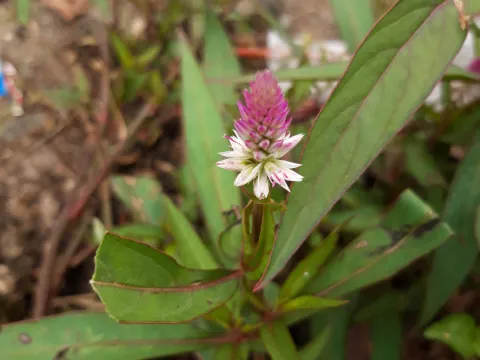
Celosia polygonoides
Celosia polygonoides
Celosia polygonoides is a member of the Amaranthaceae family, originating from tropical regions. In agricultural settings, it is typically cultivated as an annual crop due to its sensitivity to low temperatures.
What the section contains
Celosia polygonoides
To ensure high germination rates, seeds should be pre-treated or soaked in growth stimulators, as they possess a relatively thick protective coat. Sowing should only occur when temperatures are consistently warm, as the species is highly susceptible to frost.
The transplant method is highly recommended for commercial production. Starting seeds indoors approximately 8 weeks before the last frost allows the plants to establish a strong root system, which is crucial for subsequent development.
Seeds should be covered with only a thin layer of substrate, as they require light for optimal germination. Proper spacing, usually about 30 cm apart, is essential to allow for airflow and prevent plant crowding.
The substrate used for sowing must be light, well-draining, and rich in nutrients, ensuring the seedlings get a healthy start without the risk of water stagnation.
This crop thrives in full sun exposure. In shaded conditions, plants tend to stretch, lose their vigorous growth, and produce less vibrant inflorescences, which diminishes their overall market value.
The soil should be fertile and exhibit a neutral or slightly acidic pH. Proper drainage is the most critical factor, as saturated soil often leads to root rot and other pathogenic issues.
Temperature management is key; the plant performs best in temperatures ranging from 22 to 28 degrees Celsius. Any significant drop below 15 degrees Celsius can halt vegetative growth almost entirely.
Irrigation should be consistent but cautious. Avoiding moisture on the foliage and flowers is recommended to reduce the incidence of fungal diseases. Irrigation systems that deliver water directly to the root zone are preferred.
Fertilization should focus on balanced NPK blends during the active growing phase. Excessive nitrogen application should be avoided as it promotes leafy growth at the expense of floral development.
The yield of Celosia polygonoides is measured by the quality and quantity of its inflorescences. Proper crop management, including regular pruning of primary stems, can increase the number of harvestable spikes.
In greenhouses, production can be maximized through careful climate control, allowing for multi-cycle harvests throughout the season. Monitoring plant health is vital to ensuring that all stems reach commercial standards.
Yield stability is heavily dependent on soil nutrient availability and the control of environmental stressors. Consistent moisture and temperature levels lead to higher uniformity in floral production.
Careful grading of the harvested material is necessary to meet the standards required by the floral industry. Removing sub-standard plants early in the season helps focus resources on higher-performing crops.
The overall output is also affected by the plant's branching habit, which can be improved through strategic pinching of the growing tips during the early vegetative stage.
Damping-off, caused by soil-borne fungi, is a major threat during the seedling stage, particularly if the humidity is too high or the soil is too wet. Improving soil aeration is the best preventive measure.
Pests such as aphids and spider mites are common in greenhouse environments. These pests can cause significant damage to the plant's integrity, necessitating prompt treatment with appropriate insecticides or biological controls.
Powdery mildew can infect the crop during periods of high humidity and poor ventilation. Preventive spraying and providing adequate plant spacing are essential strategies for control.
Root-knot nematodes can severely affect plant growth and health. Using sterilized soil or choosing resistant sites is crucial for managing these underground threats effectively.
General hygiene in the growing area, such as removing debris and weeds, is vital to prevent the spread of diseases and to minimize pest habitats around the crop.
Harvesting is typically done when the inflorescences are fully developed and vibrant. For fresh floral use, stems should be cut in the early morning to ensure maximum turgidity and shelf life.
For dried floral applications, stems are harvested and hung in a dark, well-ventilated area. Controlled drying prevents the fading of colors and ensures the longevity of the ornamental product.
Seed harvesting should be performed once the seed heads have turned brown and began to open. Careful timing is required to prevent natural seed dispersal in the field.
After collection, seeds must be cleaned and stored in a cool, dry place. Proper storage is necessary to maintain high germination capacity for the following planting season.
All plant residues should be cleared from the field after the final harvest to eliminate potential breeding grounds for pathogens or pests, keeping the field ready for the next cycle.