
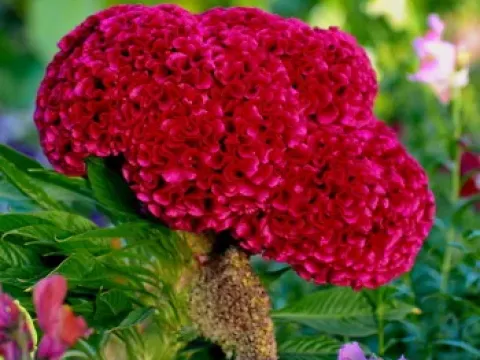
Celosia pulchella
Celosia pulchella
Celosia pulchella, a member of the Amaranthaceae family, is a delicate ornamental crop that requires careful timing for successful cultivation. In most agricultural settings, the sowing process begins indoors during early spring, roughly 6 to 8 weeks before the last expected frost.
What the section contains
Celosia pulchella
The seeds are small and possess a hard testa, which necessitates pre-sowing treatments such as soaking in lukewarm water to improve germination uniformity. Seeds should be sown in a high-quality, sterile potting mix and covered only very lightly with soil to allow light exposure, which aids the process.
Transplanting seedlings to their final outdoor location should only occur once the soil has warmed significantly and night temperatures remain consistently above 15°C. Celosia is notoriously intolerant of cold, and transplanting too early often leads to stunted growth or total plant failure.
Proper spacing is crucial for the development of individual plants. A distance of 25 to 30 cm between plants is recommended to facilitate adequate air circulation, which helps maintain plant vigor and reduces the humidity around the crown.
For direct sowing in warmer climates, timing must align with the onset of the stable heat season. The seeds need warmth and consistent moisture to establish a strong root system before the onset of extreme summer heat.
This species thrives in full sun, requiring at least 6 to 8 hours of direct sunlight daily to produce high-quality, vibrant inflorescences. Shaded environments negatively impact both the growth rate and the intensity of the plant's natural colors.
Soil requirements involve a preference for well-drained, sandy loam soils with a slightly acidic to neutral pH. Poor drainage leads to root asphyxiation, making the addition of organic matter essential for improving soil structure in heavier clay conditions.
Water management is critical for Celosia pulchella. While the plants require regular moisture to stay hydrated during peak growth, the soil surface should be allowed to dry slightly between irrigation events to prevent root decay.
Fertilization should focus on potassium and phosphorus to support the production of flowers rather than excessive foliage. High-nitrogen fertilizers are generally avoided as they encourage lush green growth at the expense of floral development.
The plant performs best in sheltered areas away from high winds. If exposed to strong gusts, the stems—which can be relatively brittle—may require support to maintain an upright, aesthetic, and productive posture throughout the season.
The most significant agronomic threats to Celosia pulchella are root and stem rots caused by soil-borne fungi such as Pythium and Rhizoctonia. These pathogens proliferate in overly saturated, poorly drained soil conditions.
Insect pests such as aphids and spider mites are frequent invaders, particularly in greenhouse conditions or during periods of drought. These pests cause chlorosis, stunted development, and general weakening of the plant by draining its sap.
Powdery mildew can manifest during periods of high humidity and poor ventilation. This fungal disease creates a white, powdery layer on the leaves, which can reduce the photosynthetic capacity of the plant if left untreated.
Nematode infestations can also be a hidden threat, leading to stunted plants and irregular growth patterns. Crop rotation and the use of soil solarization or pre-planting sterilization are the primary methods for managing these soil-dwelling pests.
- Regular monitoring of foliage to detect pests at the early stage.
- Application of appropriate systemic fungicides for fungal outbreaks.
- Use of neem oil or insecticidal soaps for organic pest management.