
Celosia spicata
Celosia spicata
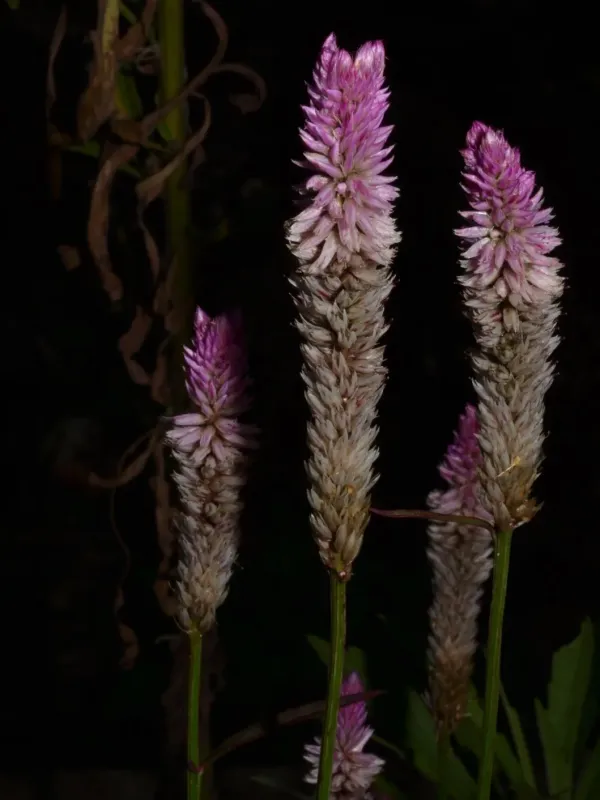
Description
Sowing dates
Celosia spicata is a heat-loving annual crop, therefore sowing is performed only after stable warm weather is established. In temperate climates, greenhouse seedling propagation starting in March or April is the preferred method.
For direct seeding in the field, soil temperatures must reach at least 15-18 degrees Celsius. The optimal sowing window is late May, once the risk of night frosts, which are lethal to seedlings, has passed.
The seeds of Celosia are extremely small, so they should not be buried deep but lightly covered with substrate or sand. Germination requires high humidity and air temperatures in the range of 22-25 degrees Celsius.
When using a tray method, seedlings are transplanted into individual containers at the two-true-leaf stage. This promotes the development of a robust root system, ensuring quick establishment upon transplanting to the flower bed or field.
Acclimatization (hardening off) for 10-14 days before planting is a crucial step. The crop is sensitive to sudden temperature drops, making gradual exposure to outdoor conditions essential for successful vegetation.
Growing requirements
Celosia spicata (wheat celosia) belongs to the Amaranthaceae family and is a sun-loving crop. For full flowering, it requires a location with maximum sunlight exposure, free from shading by taller plants or structures.
The plant thrives in fertile, loose, and well-drained soils with a neutral or slightly acidic pH. Heavy clay soils with stagnant moisture are strictly unsuitable, as they facilitate root rot development.
The crop is highly drought-tolerant, but regular watering during hot periods is necessary to obtain abundant flower yields. Excessive nitrogen fertilization can lead to vigorous foliage growth at the expense of floral development.
Native to tropical regions of Asia and Africa, the plant has a biological requirement for stable heat. Temperatures below 10 degrees Celsius significantly retard growth and overall plant development.
Optimal agrotechnics include periodic soil cultivation and weed control in inter-rows. This improves aeration for the root system and prevents the development of fungal infections often associated with high surface humidity.
Main diseases and pests
One of the primary challenges in cultivation is root rot, resulting from soil waterlogging. This fungal disease spreads rapidly in dense plantings with poor air circulation.
In hot, dry weather, the crop is frequently infested by aphids, which suck sap from young shoots and inflorescences. Systematic insecticides or biological pest control methods are recommended for mitigation.
Spider mites also pose a threat, particularly under low humidity conditions. Their presence is easily identified by fine webbing on the underside of leaves, which eventually turn yellow and drop prematurely.
To prevent the spread of fungal pathogens, crop rotation rules should be strictly followed, avoiding planting after other Amaranthaceae species. Soil disinfection before sowing also significantly reduces the risk of contamination.
If the first signs of powdery mildew appear on the foliage, immediate fungicide application is required. Prompt removal of damaged plant parts prevents the epiphytotic development of the disease.
Harvesting
Harvesting of inflorescences is performed at the stage of full coloration, when the lower spikes begin to open their flowers. At this stage, they exhibit the best ornamental quality and long-lasting market appearance.
Cutting is best performed in the morning hours when plant tissues are fully turgid with moisture. Stems are cut at the desired length with a sharp tool and placed immediately into clean, cool water.
Celosia spicata is excellent for drying and creating floral arrangements. For drying, inflorescences are hung upside down in a dark, well-ventilated room until all moisture has evaporated.
When using the crop for floristry purposes, it is critical to prevent the seeds from over-ripening within the spikes. Early harvesting ensures the inflorescence maintains its density and saturated color for an extended period.
Commercial processing involves sorting materials by peduncle length and spike maturity stage. This allows for product standardization and increases market value for sale through wholesale channels.