
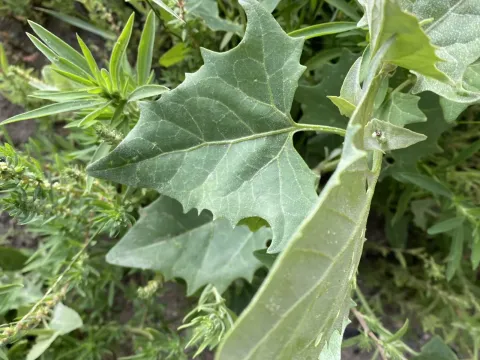
Atriplex micrantha
Atriplex micrantha
Atriplex micrantha is an annual herbaceous plant belonging to the Amaranthaceae family. It is recognized for its significant biomass production potential in arid and semi-arid environments.
What the section contains
Atriplex micrantha
This crop prefers sunny, open environments and demonstrates exceptional tolerance to soil salinity. These characteristics make it a valuable option for rehabilitating degraded or saline agricultural land.
The plant thrives in a wide range of soil types, though it performs best in well-drained, fertile loams. It is highly efficient at utilizing soil nutrients, reducing the need for intensive fertilization.
Climate requirements for Atriplex micrantha include high light exposure and moderate to low precipitation. Its ability to tolerate early-season frosts allows for early planting schedules in temperate regions.
Agronomic management focuses on seedbed preparation to ensure uniform emergence. Because of its drought tolerance, the crop requires minimal irrigation once established, promoting water-use efficiency.
Common pests include aphids and leaf-eating beetles, which can cause damage to foliage. Regular scouting is essential to determine if intervention is necessary to protect the harvest.
Pathogens such as powdery mildew may occur under conditions of high humidity and poor air circulation. Proper spacing between rows is a critical factor in reducing the risk of disease spread.
Root diseases are rarely a problem if proper soil drainage is maintained. Overwatering should be avoided, as it can create favorable conditions for fungal growth and root rot development.
Weed management is mainly required during the early stages of growth before the crop achieves full canopy closure. Mechanical weeding or careful hoeing is often sufficient to maintain field hygiene.
Integrated pest management strategies should emphasize biological controls to maintain the ecological balance within the field while ensuring high yields for commercial fodder use.